( April 6-8, 2026 | Washington,DC )
Where Innovation
Meets Impact
Where Innovation
Meets Impact
Join 500+ practitioners, funders, and tech leaders advancing the responsible use of AI and emerging technologies in the social sector.
Join 500+ practitioners, funders, and tech leaders advancing the responsible use of AI and emerging technologies in the social sector.
What to Expect
Good Tech Summit isn't
another conference where
you sit and listen.
It's where you:
→ Learn from practitioners implementing AI in immigration services, conservation, education, and beyond..
→ Connect with funders exploring how to support responsible tech adoption.
→ Build alongside tech companies committed to social impact.
→ Shape the future of how technology serves communities.

( April 6-8, 2026 | Washington,DC )
00:00:00:00
You should be here if you are a ...
What to Expect
Good Tech Summit isn't
another conference where
you sit and listen.
It's where you:
→ Learn from practitioners implementing AI in immigration services, conservation, education, and beyond.
(A)
→ Connect with funders exploring how to support responsible tech adoption.
(B)
→ Build alongside tech companies committed to social impact.
(C)
→ Shape the future of how technology serves communities.
(D)
Good Tech Summit
Speakers & Advisors
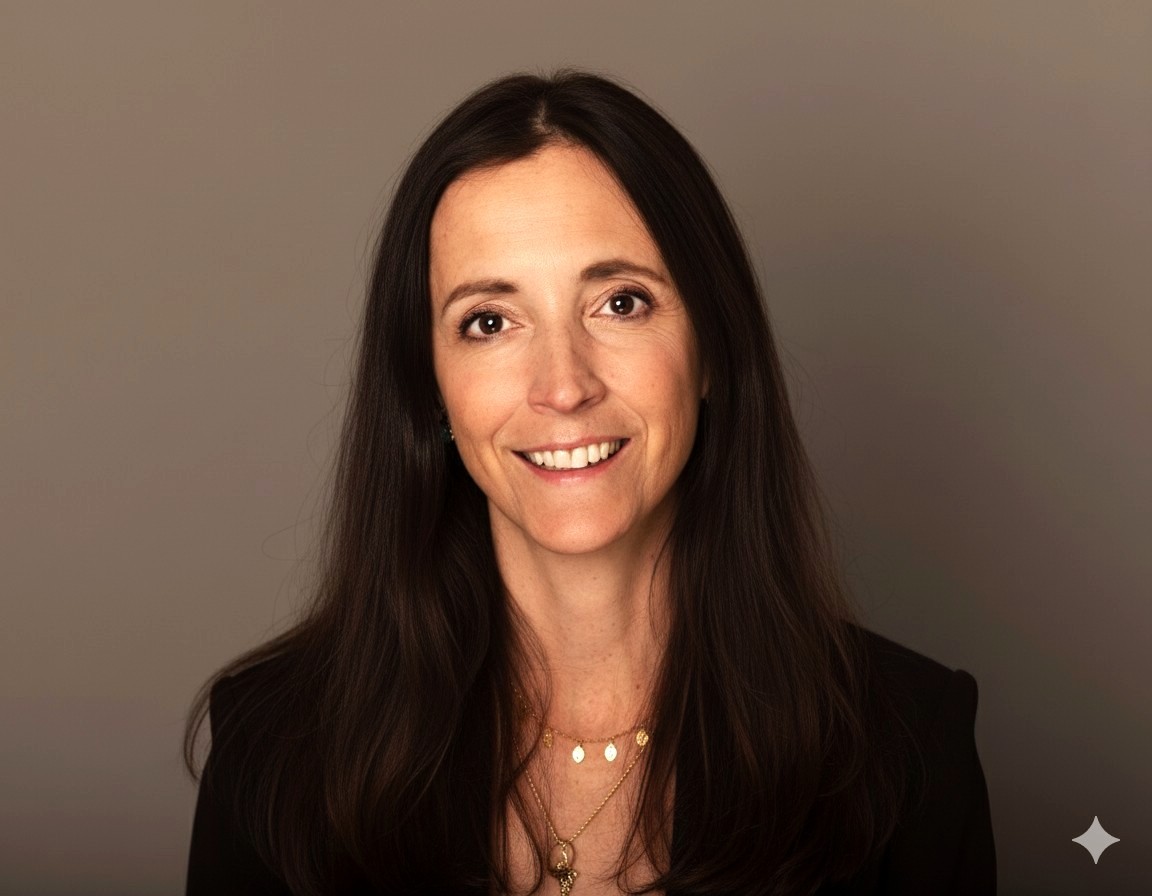
Alethea Hannemann
Board.Dev

Andrew Merluzzi
The Beeck Center for Social Impact + Innovation

Brian Komar
Good Tech Together

David Goodman
Daro
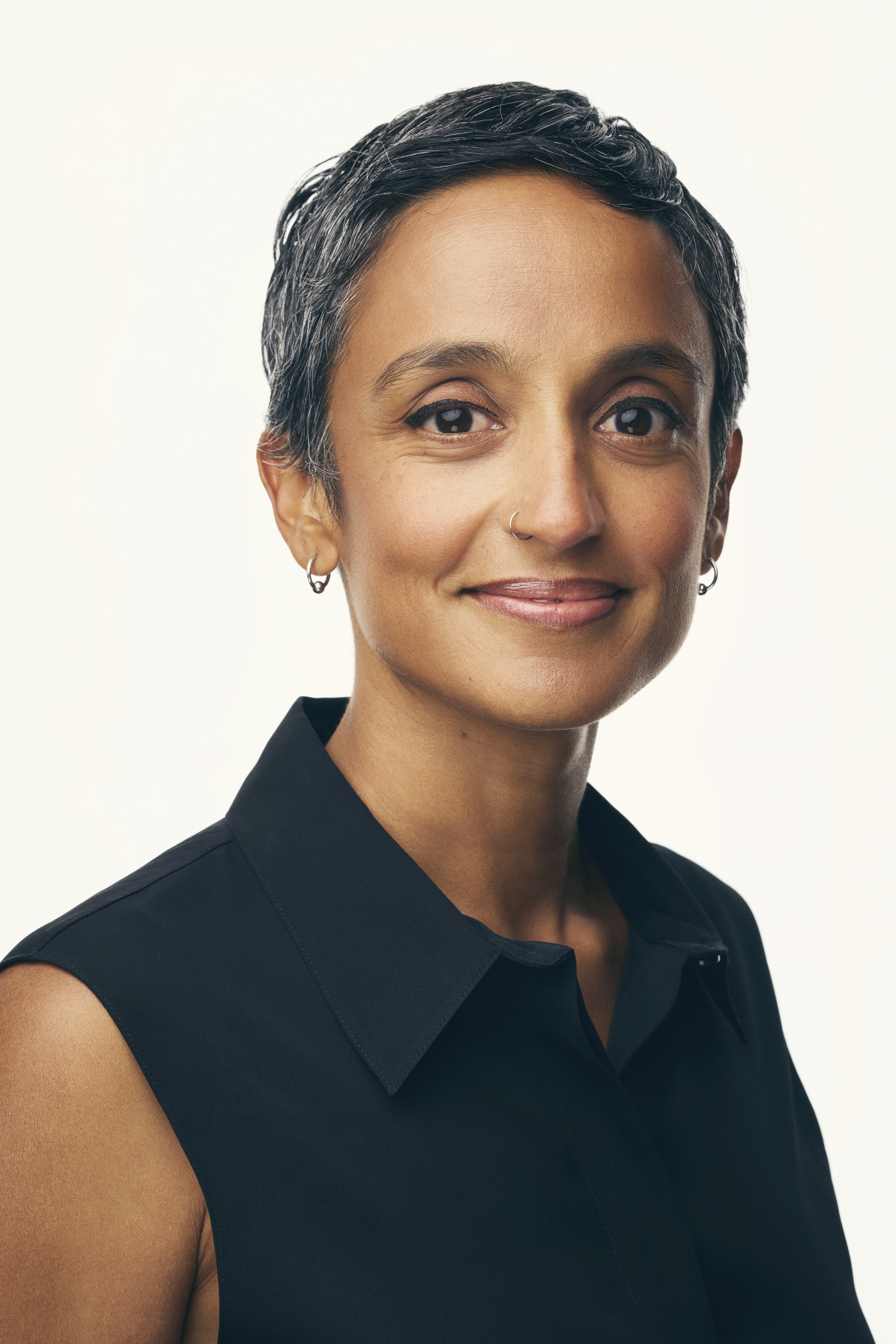
Dr. Nithya Ramanathan
NexLeaf Analytics
Jean-Louis (JL) Ecochard
NetHope
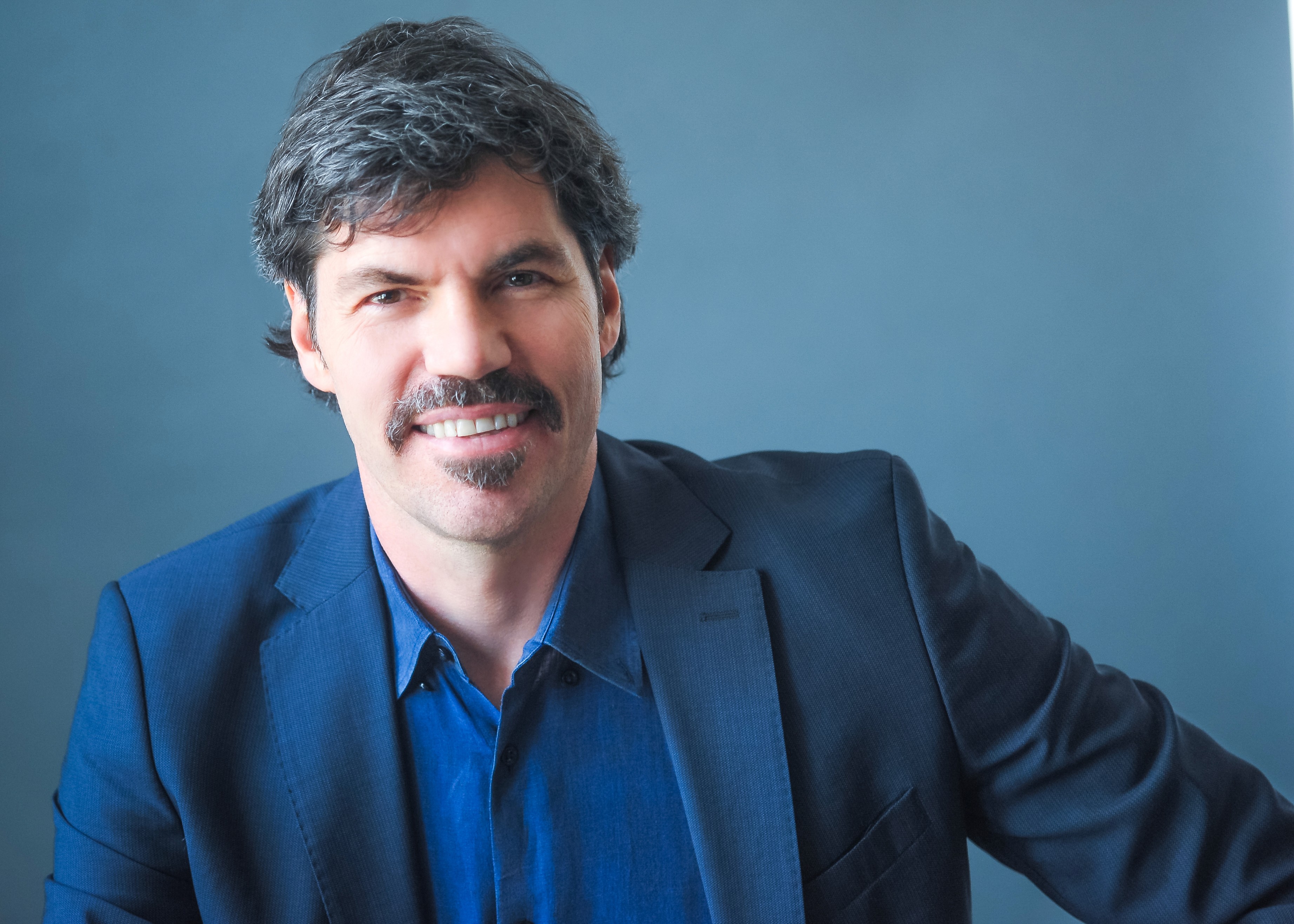
John Zoltner
AIChildSafety.org / AI4SocialImpact
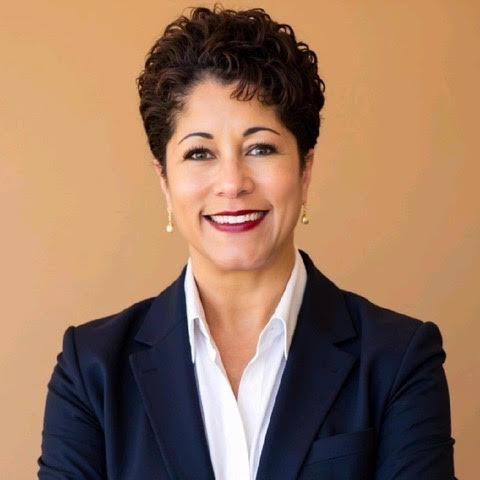
Karla Martin
Common Sense Media

Kerrin Mitchell Johnson
Fluxx

Lili Gangas
Kapor Foundation

Mike Spear
Altruous

Peter Bull
DrivenData

Schuyler Kaye
Salesforce
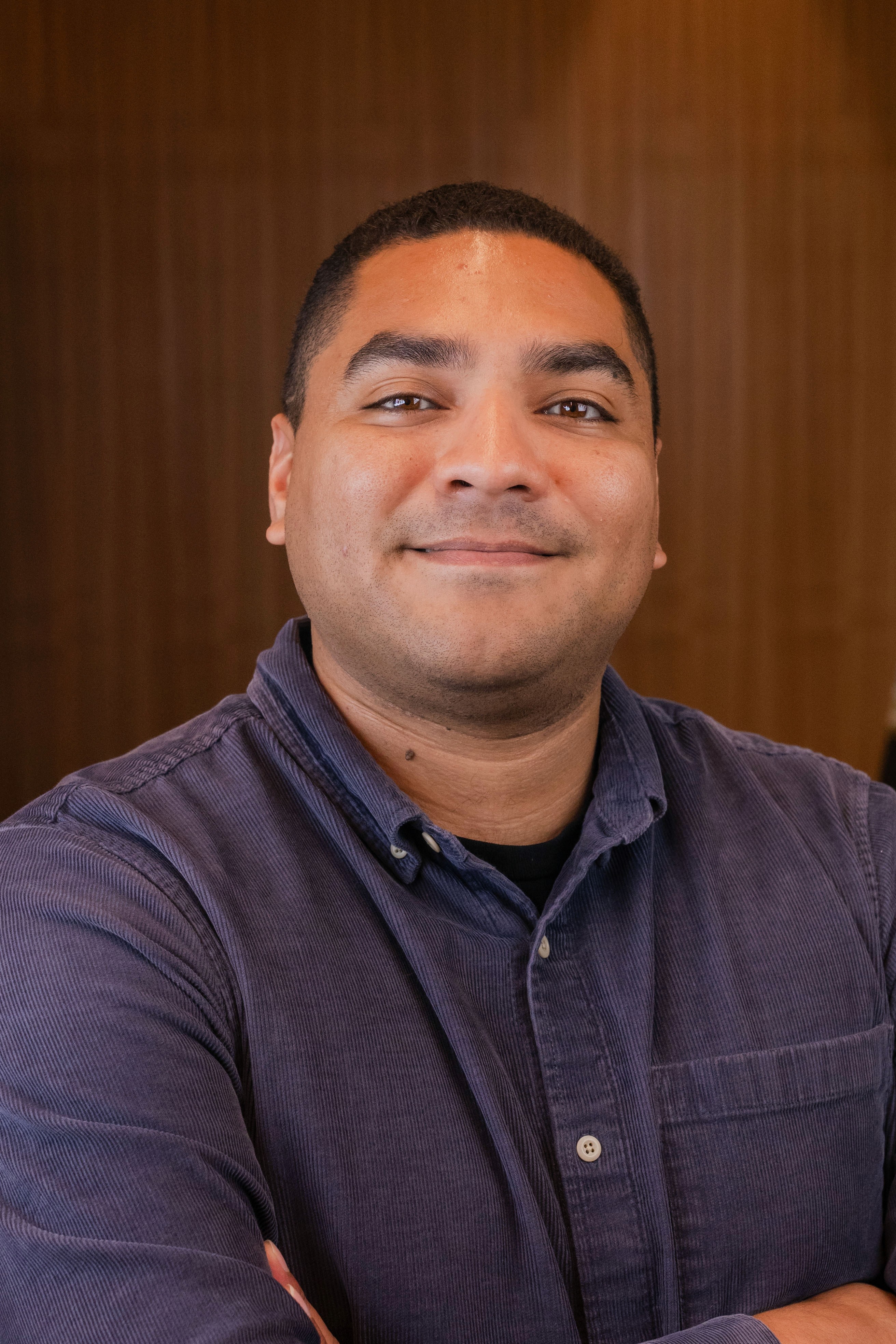
Victor Cordon
Okta
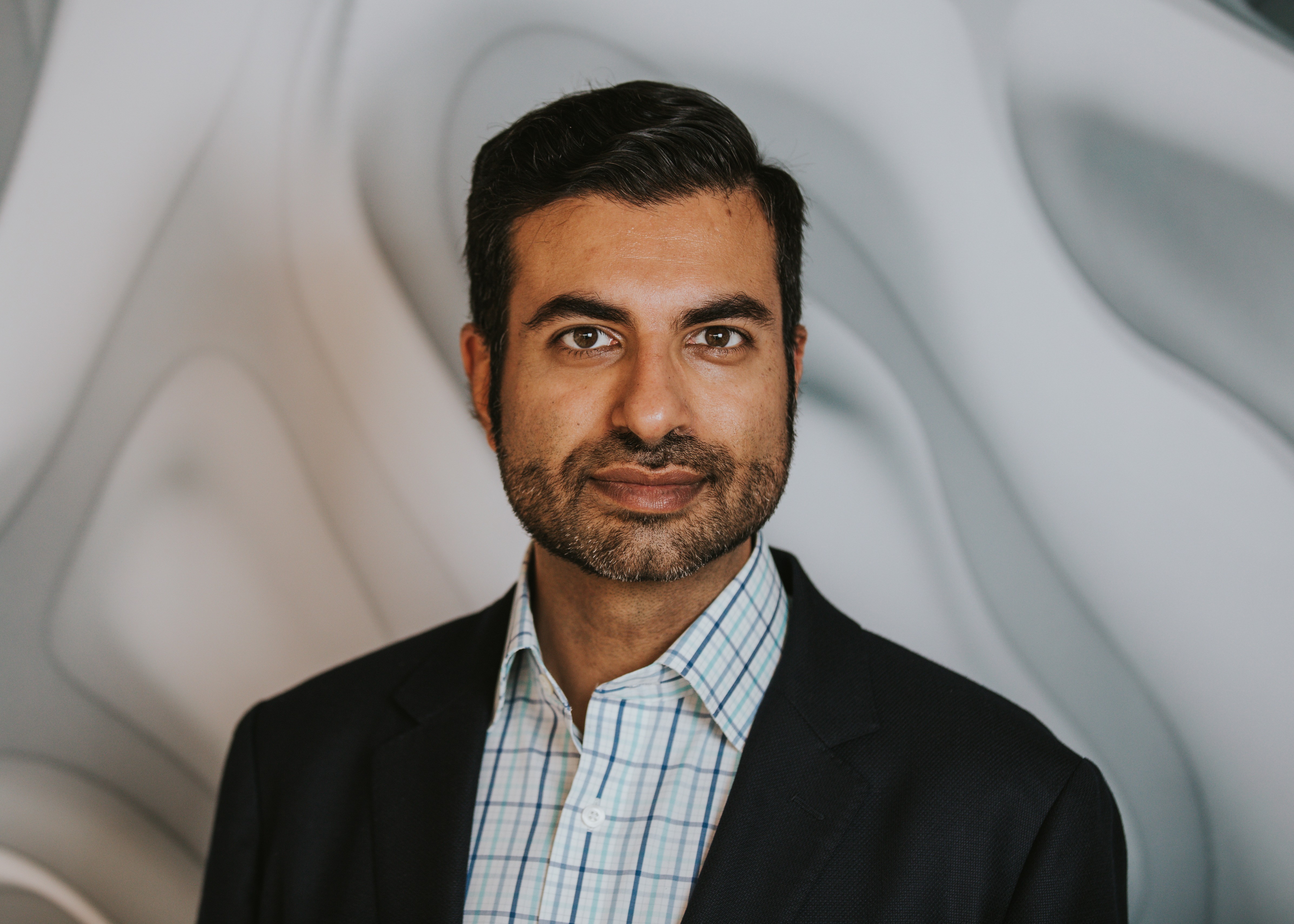
Aly Rahim
CIVIC / World Bank
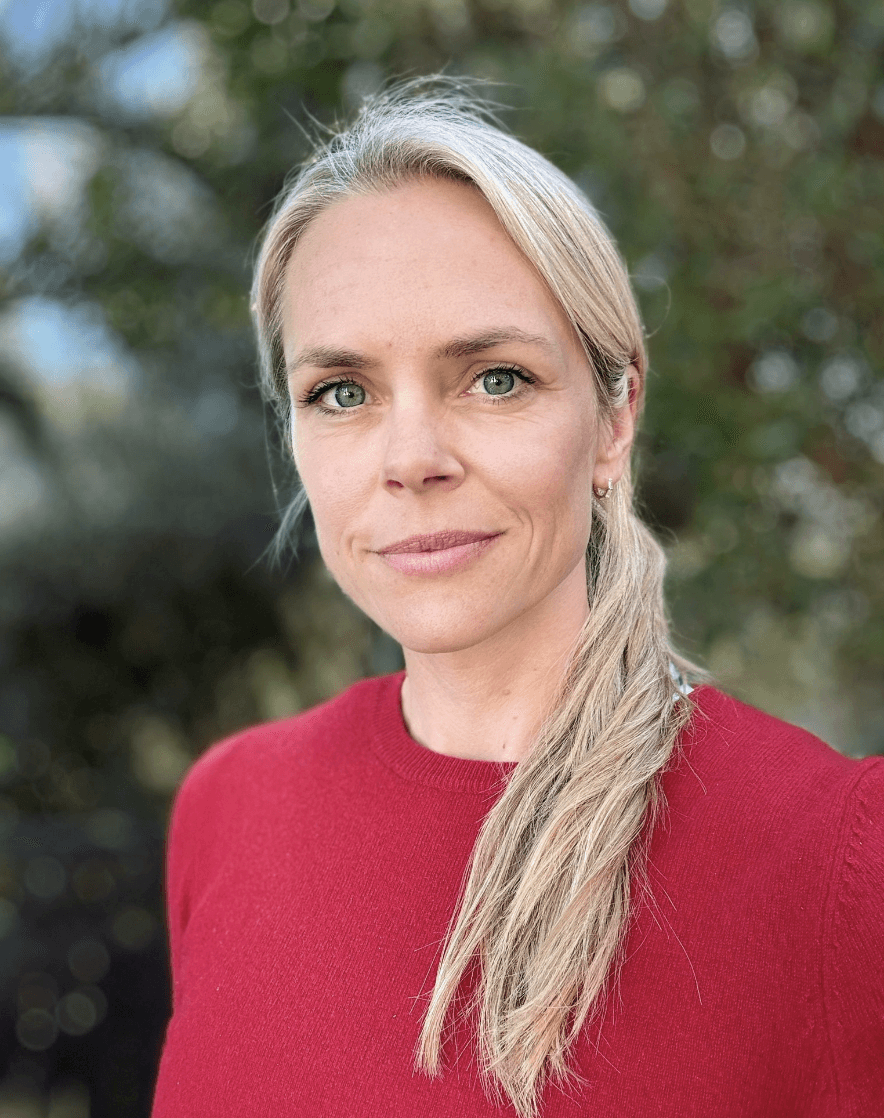
Anna Lerner Nesbitt
Climate Collective
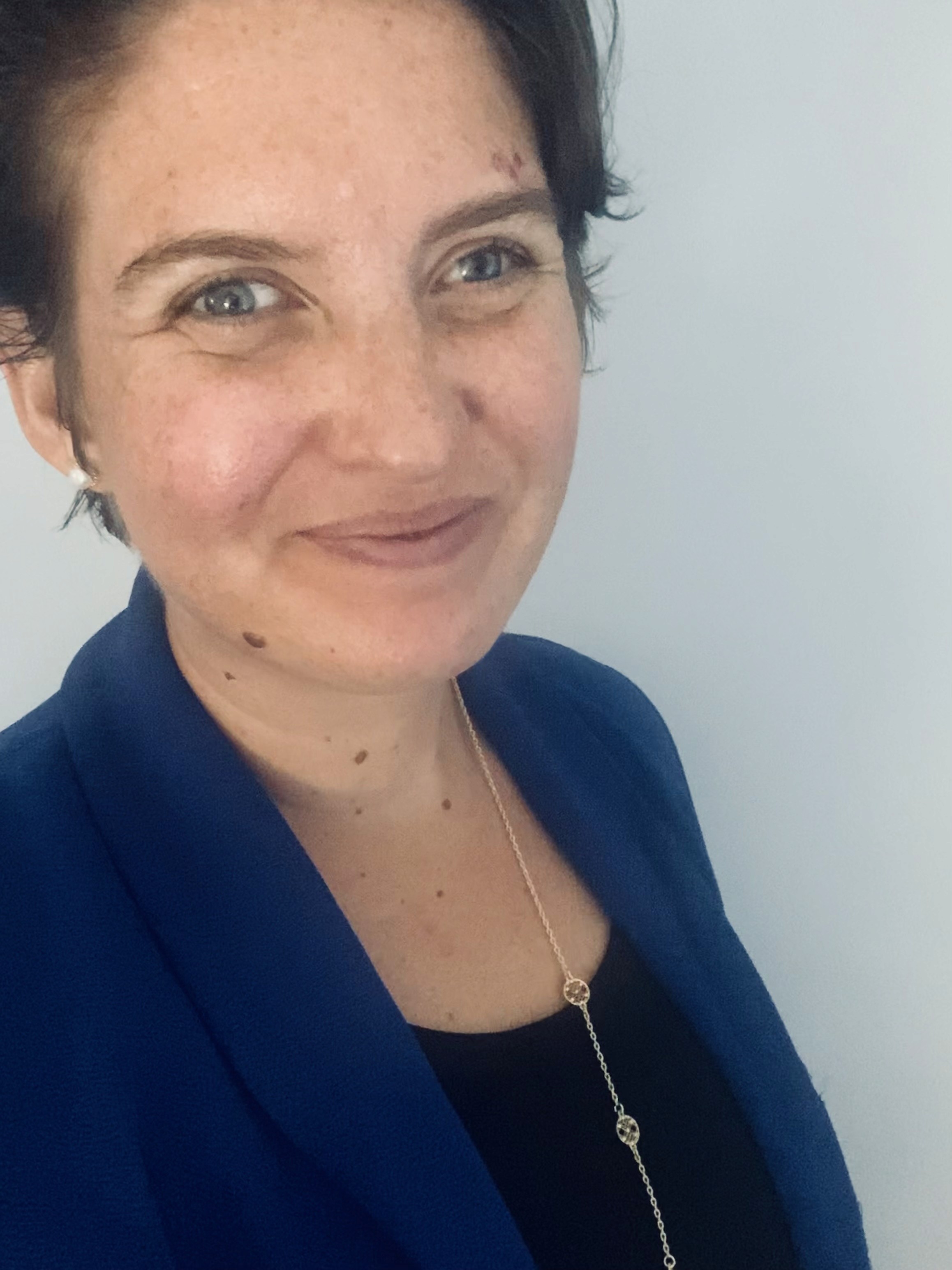
Caitlin Augustin
DataKind

David Pritchard
Social Value US

Erik Arnold
2B Consulting

Jen Carter
Google.org

Jordan Shuff
Visilant
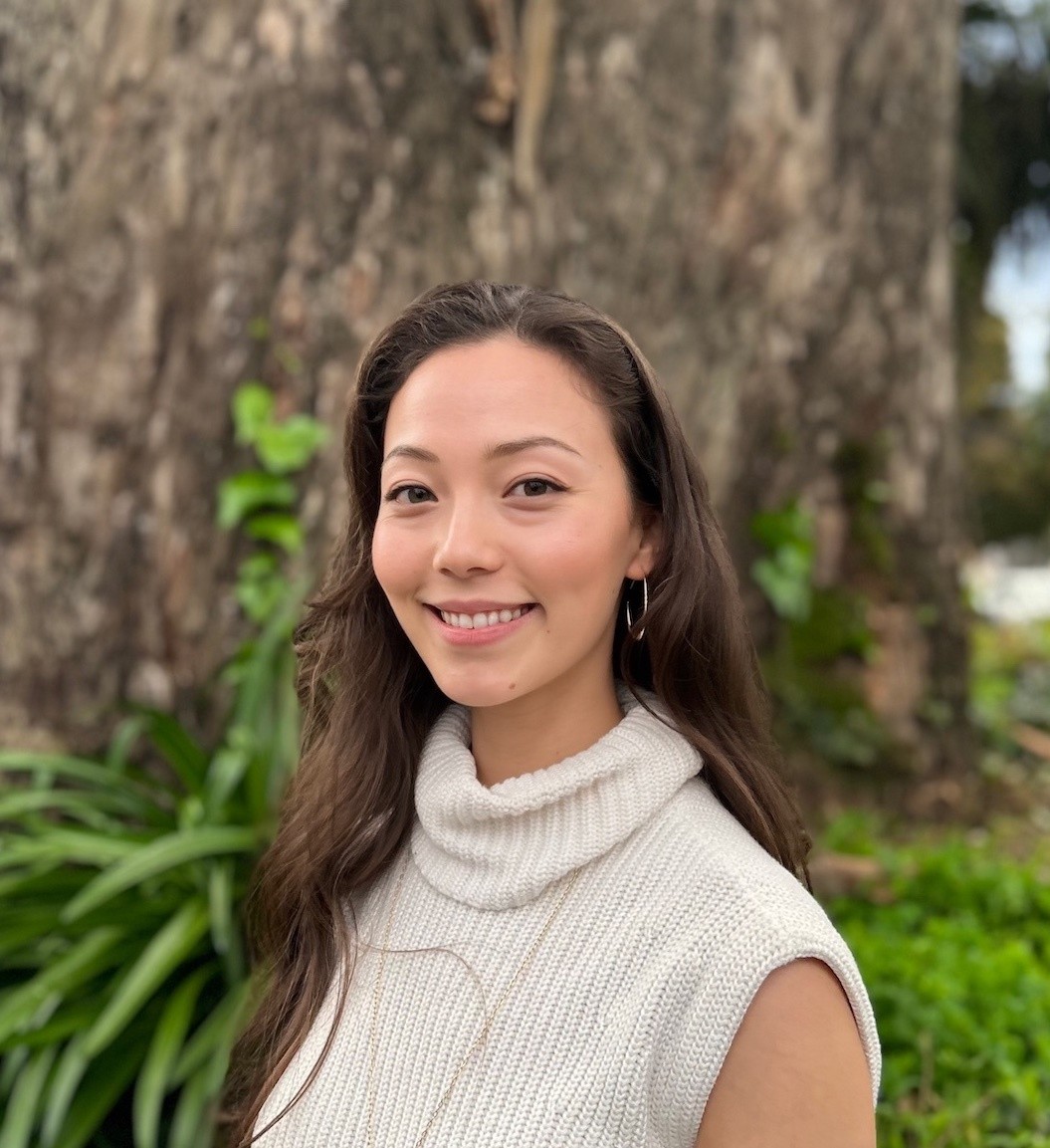
Kasumi Quinlan
Lemontree
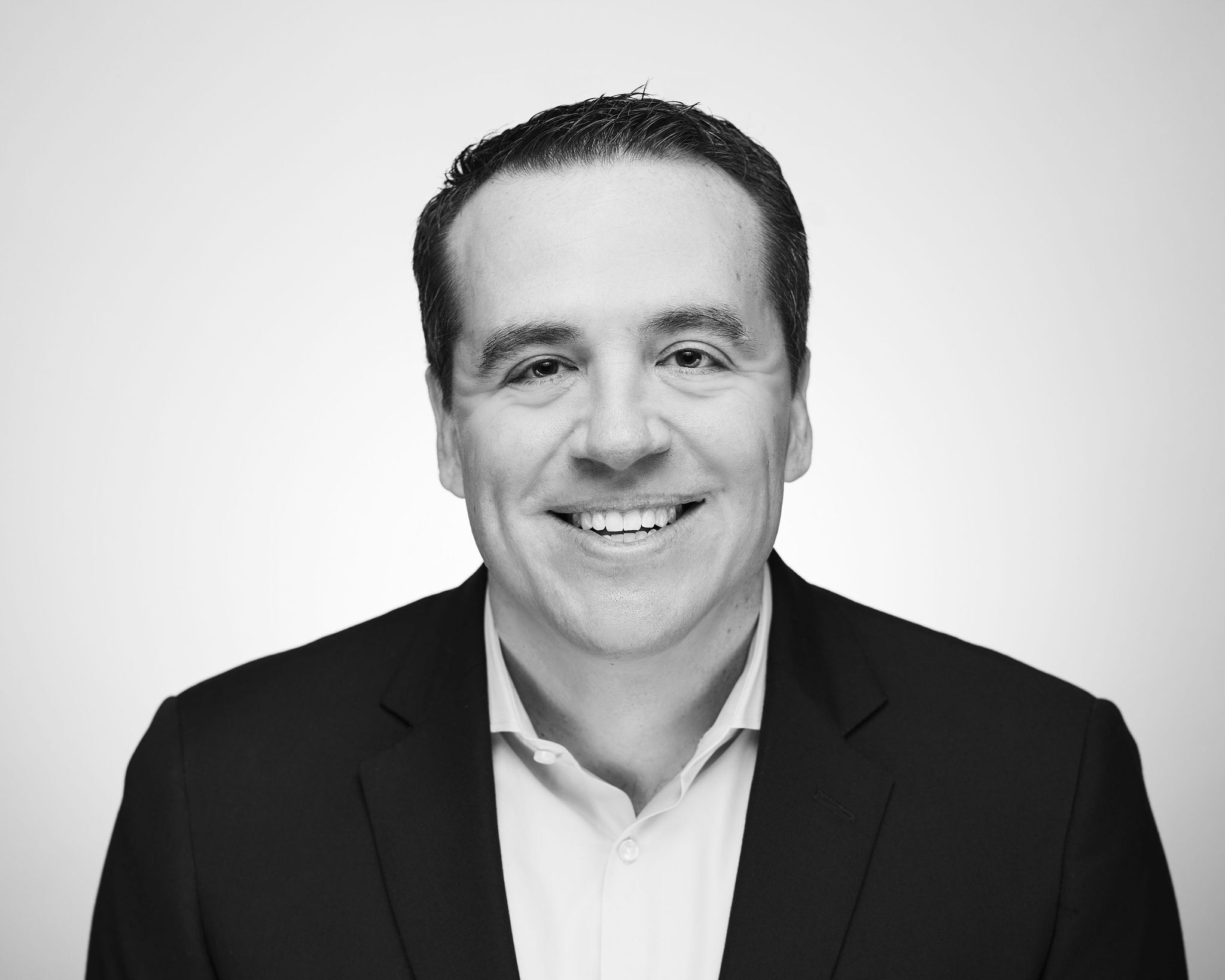
Kevin Bromer
Ballmer Group

Lynn Overmann
The Beeck Center for Social Impact + Innovation
Mitali Ayyangar
DataKind
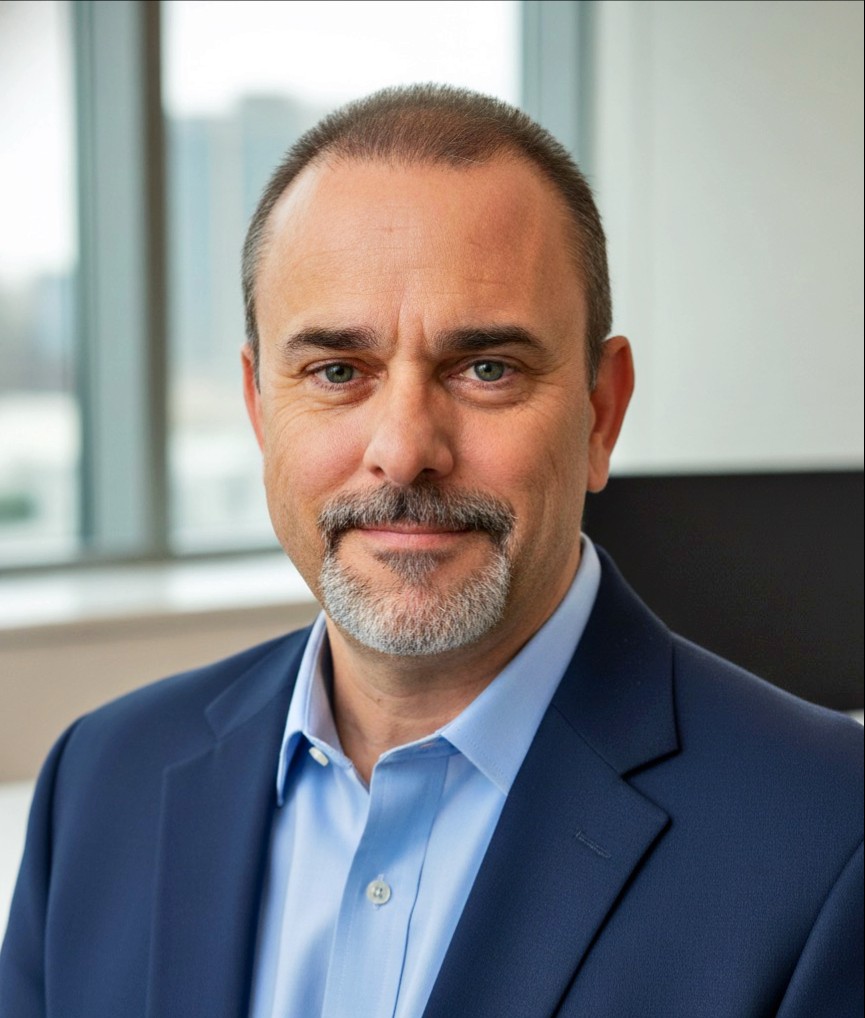
Peter York
Project Evident

Sherrie Bosisto
Global Emancipation Network

Victoria Vrana
GlobalGiving

Amanda Brown Lierman
GoFundMe
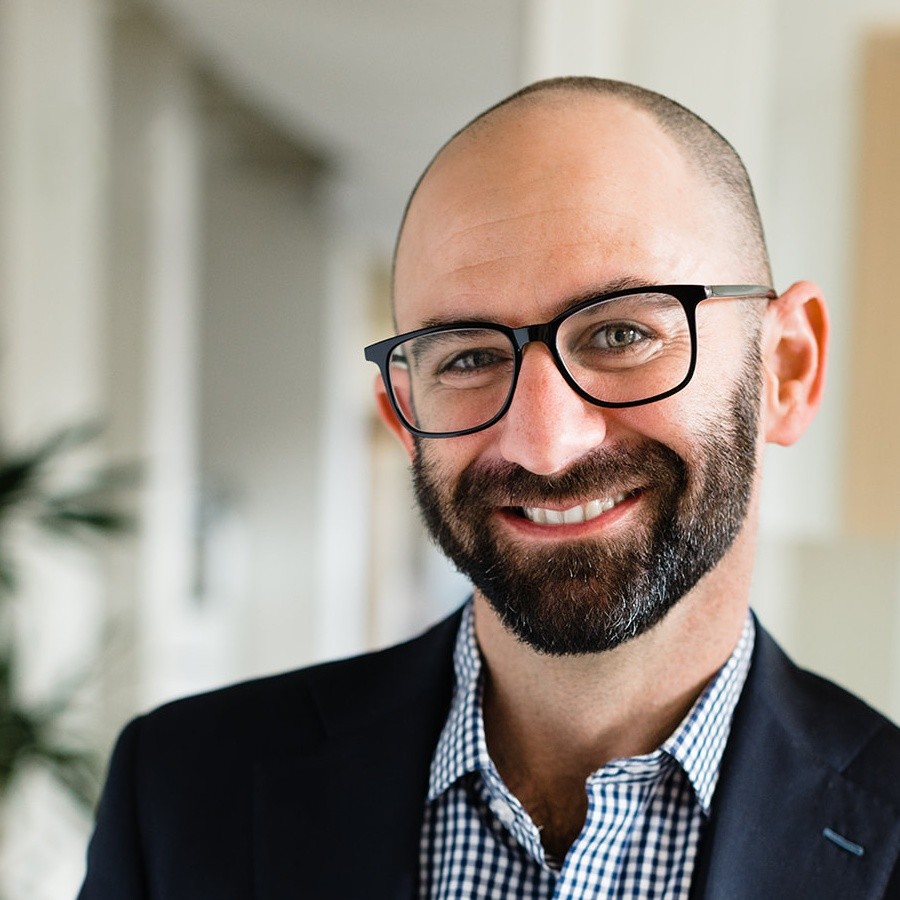
Avery Cohn
Clay -- AI for Earth
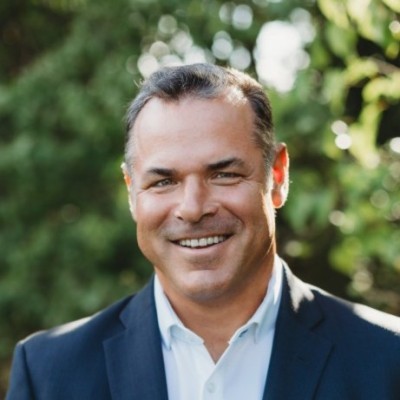
Caleb McClennen
Rare

Devi Thomas

Erin Baudo Felter
Okta

Jenn Thom
Code for America

Josh Kramer
New_Public

Kathleen Doll
Intention2Impact

Kristy Gannon
Fluxx

Marnie Webb
TechSoup

Naomi Morenzoni
Salesforce
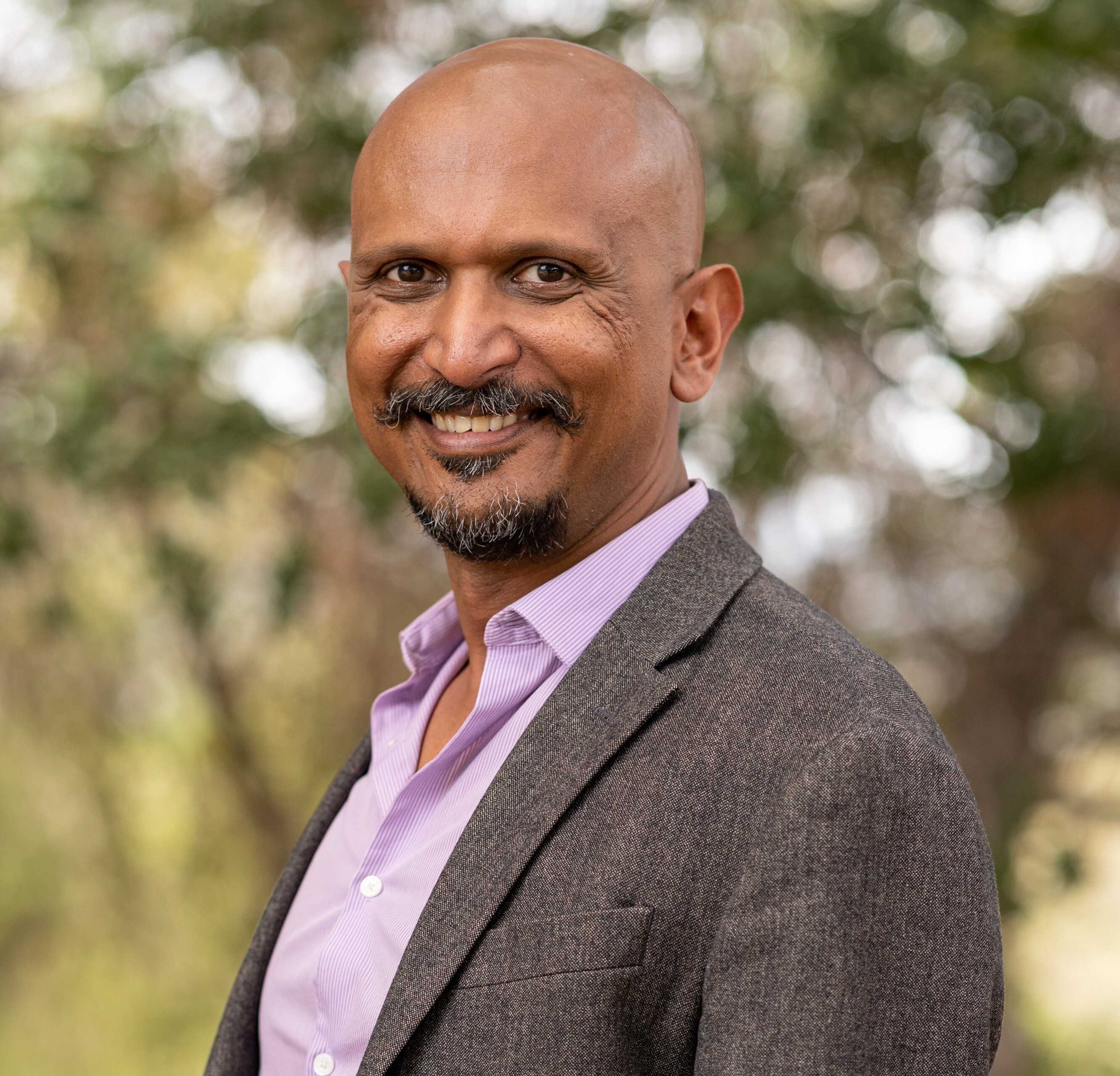
Piyush Tantia
GivingCompass

Stephen Godfrey
Numantic Solutions

Wa’il Ashshowwaf
Unstuck Labs

Ana Ortega-Villegas
Mobile Pathways
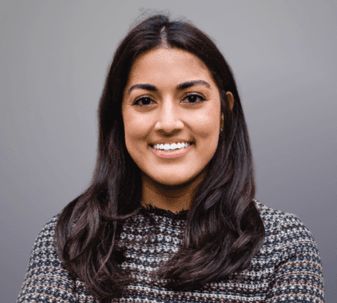
Ayushi Roy
New Practice Lab
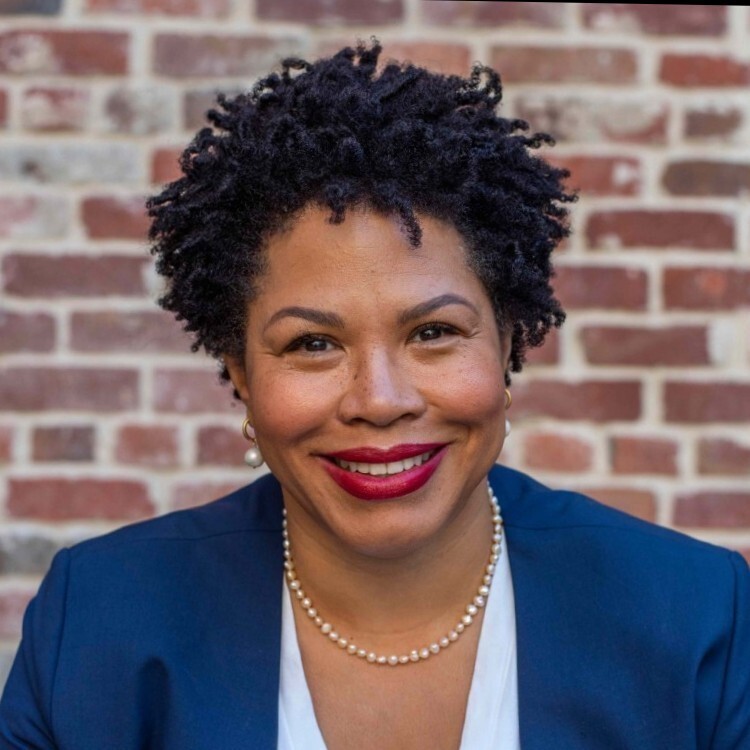
Cheryl Contee
BrightWorksAI
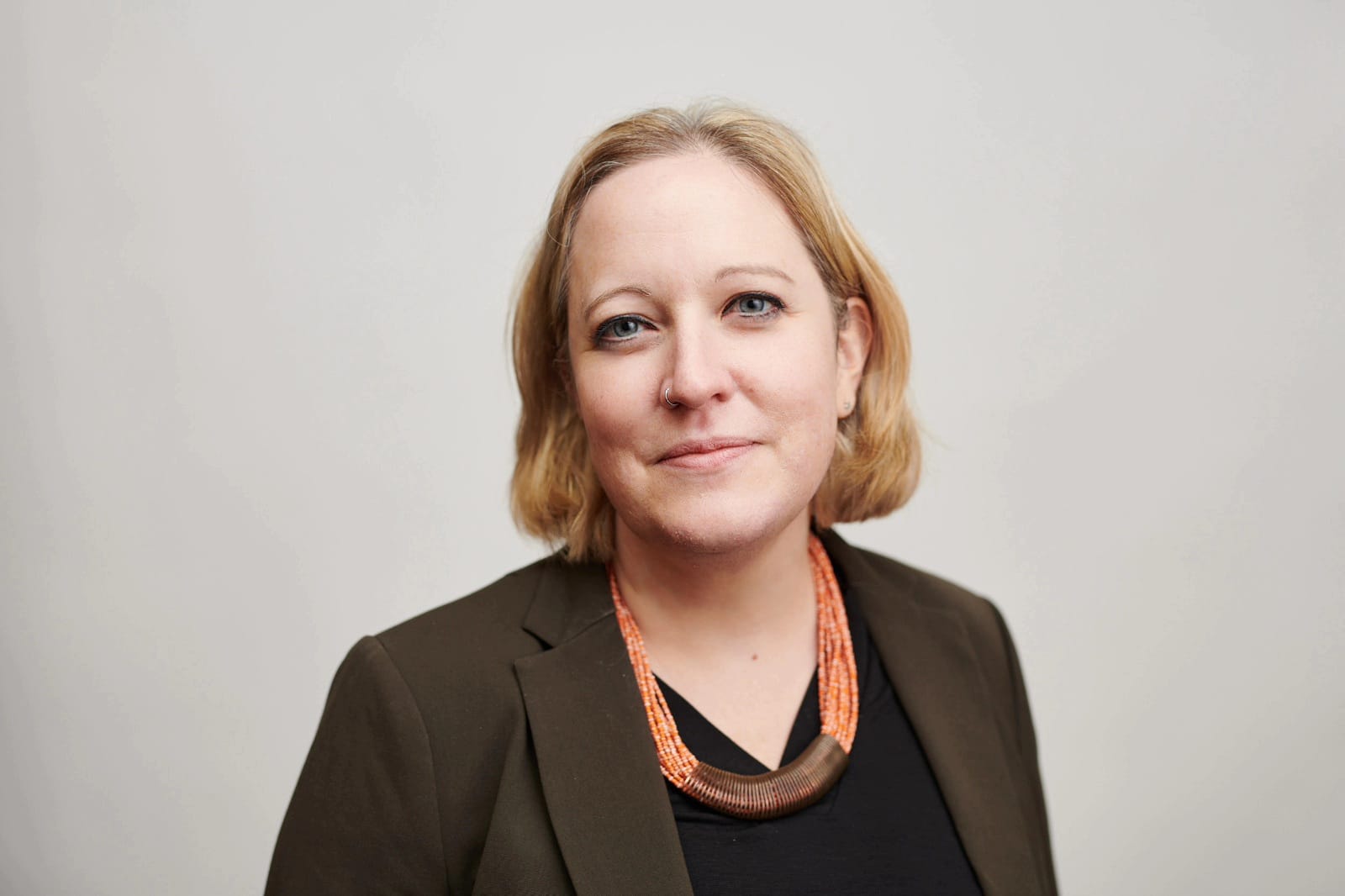
Dianna Langley
NetHope

Gabe Cohen
True Impact

Jeremy Roschelle
Digital Promise

Josue Estrada
Center for AI Safety

Katrina Seidel
Vera Solutions
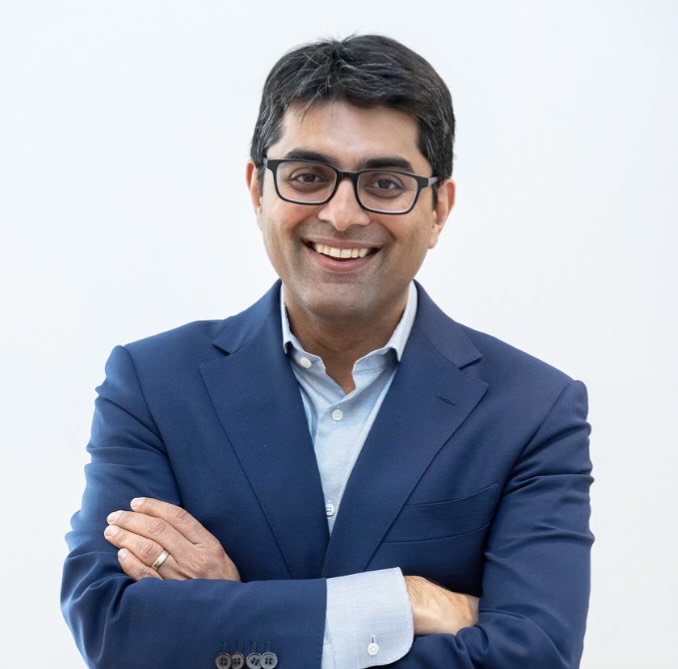
Kumar Garg
Renaissance Philanthropy

Matt Gee
The Gates Foundation

Nick Walsh
Envy Labs

Rachel Scherer
The Gates Foundation
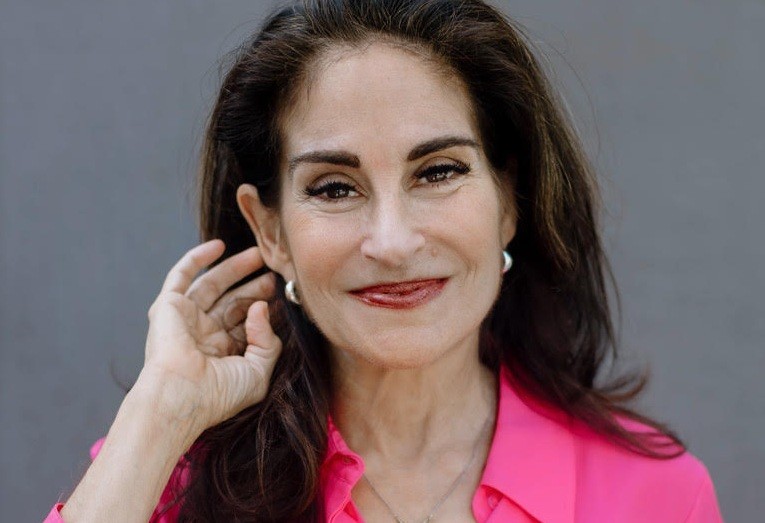
Susan McPherson
McPherson Strategies

Woodrow Rosenbaum
GivingTuesday

Andrew Farrior
AXM

Ben Beisswenger
Doris Duke Foundation

Clarke Humphrey
Priorities USA

Dr. Alexandra (Ali) Swanson
Conservation International

Gus Rossi
Omidyar Network

Jim Fruchterman
Tech Matters
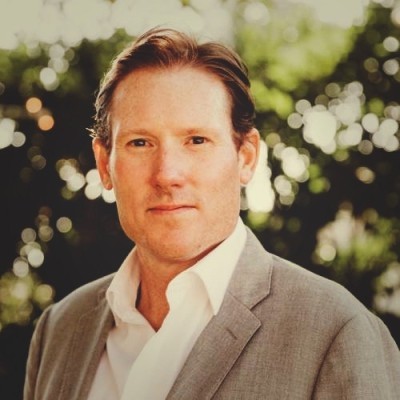
Justin Locke
Global Energy Monitor (GEM)

Kelly Fitzsimmons
Project Evident
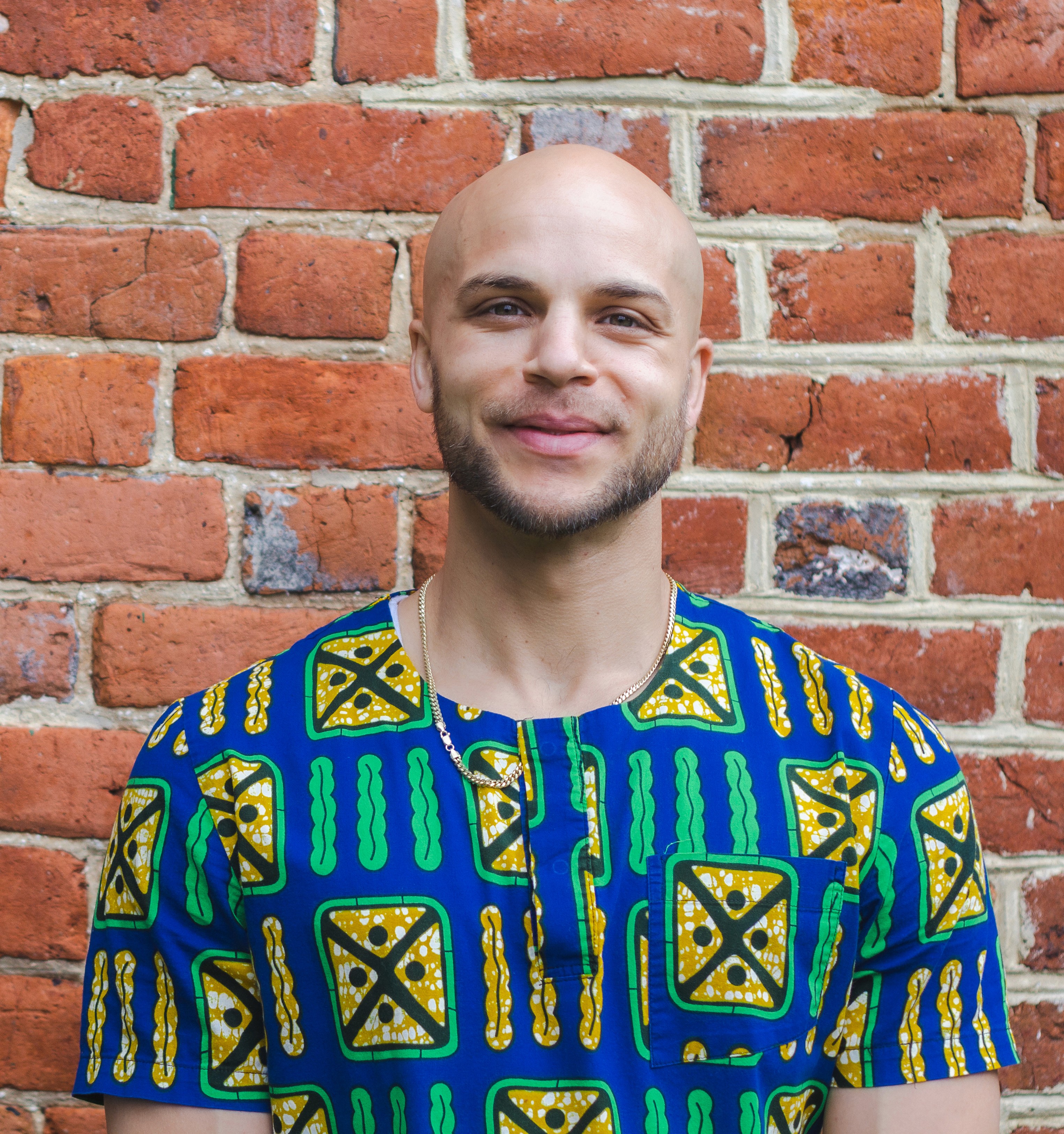
Kweli Zukeri
Howard Law AI Initiative

Michael Lenczner
Daro

Olivia Zaller
Adobe
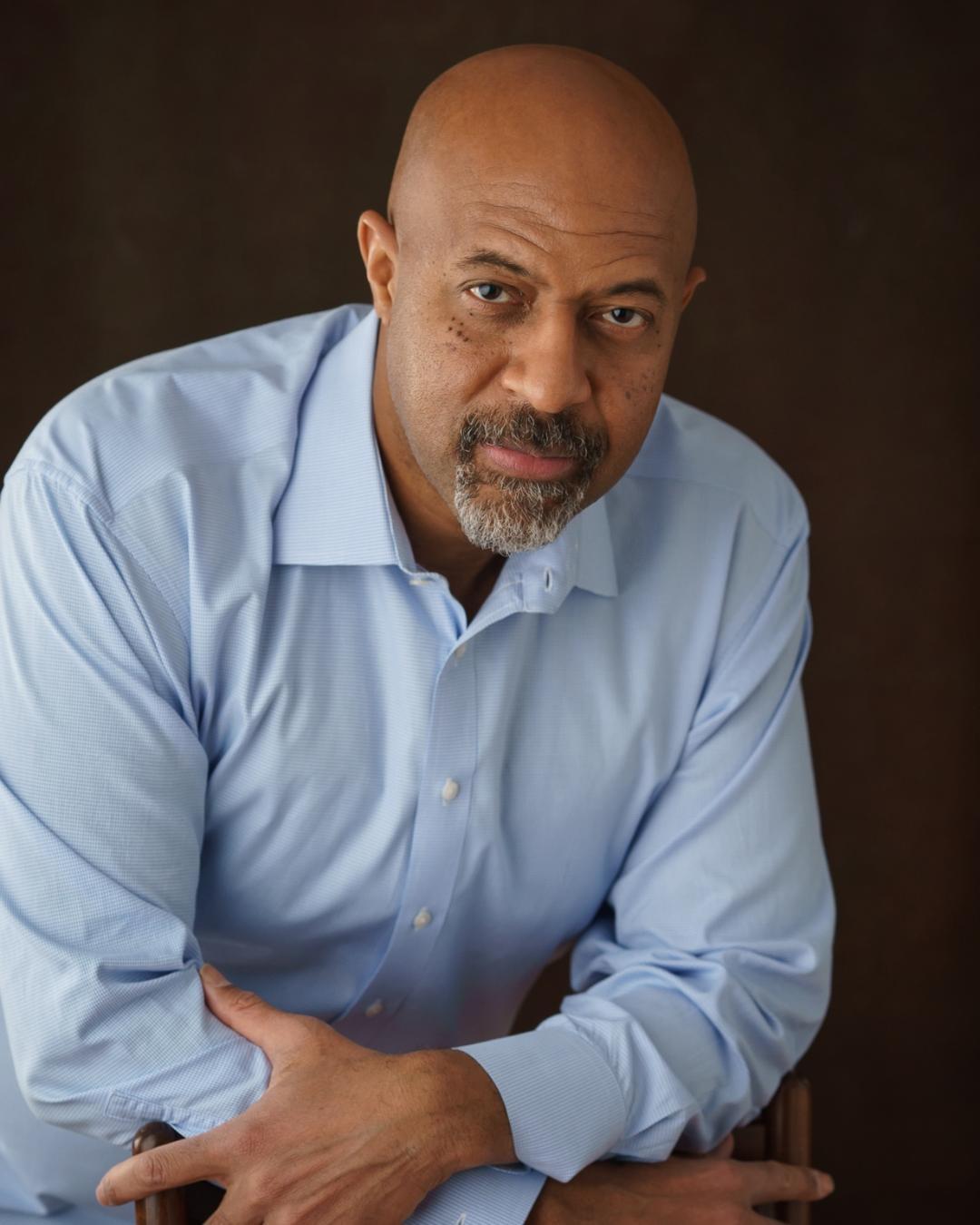
Roy Austin Jr.
Howard Law Artificial Intelligence Initiative

Tim Lockie
The Human Stack

Andrew Means
Good Tech Together

Beth Richardson
Management of the Good

Coretta Martin
IEP&Me

Dr. Amy Yeboah Quarkume
Howard University

Howard Pyle
XF
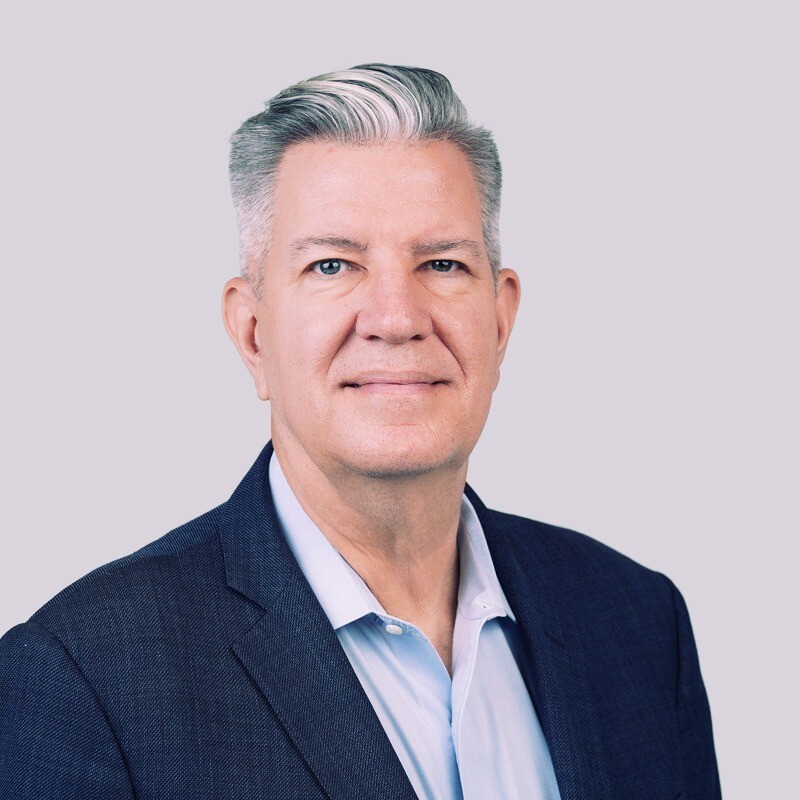
John Mohr
MacArthur Foundation
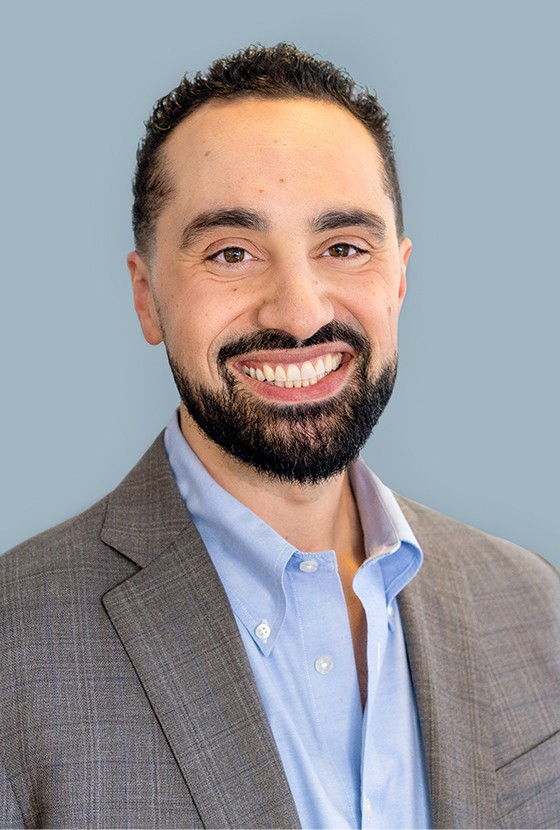
Justin Steele
Kindora
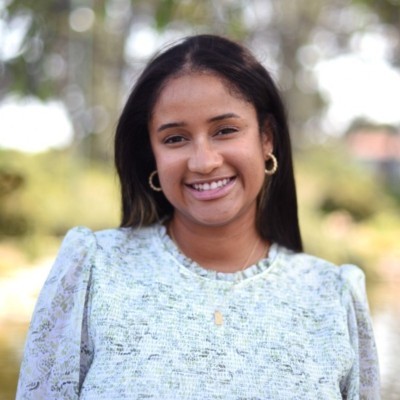
Kendall Arthur
Fast Forward

Lance Pierce
Vitas Microfinance Group & The Surpluss

Michele L. Jawando
Omidyar Network

Paul Sznewajs
The Richard L. Duchossois Foundation

Sam Gill
Doris Duke Foundation

Tina Lee
Dropbox
Alethea Hannemann
Board.Dev
Ana Ortega-Villegas
Mobile Pathways
Andrew Merluzzi
The Beeck Center for Social Impact + Innovation
Ayushi Roy
New Practice Lab
Brian Komar
Good Tech Together
Cheryl Contee
BrightWorksAI
David Goodman
Daro
Dianna Langley
NetHope
Dr. Nithya Ramanathan
NexLeaf Analytics
Gabe Cohen
True Impact
Jean-Louis (JL) Ecochard
NetHope
Jeremy Roschelle
Digital Promise
John Zoltner
AIChildSafety.org / AI4SocialImpact
Josue Estrada
Center for AI Safety
Karla Martin
Common Sense Media
Katrina Seidel
Vera Solutions
Kerrin Mitchell Johnson
Fluxx
Kumar Garg
Renaissance Philanthropy
Lili Gangas
Kapor Foundation
Matt Gee
The Gates Foundation
Mike Spear
Altruous
Nick Walsh
Envy Labs
Peter Bull
DrivenData
Rachel Scherer
The Gates Foundation
Schuyler Kaye
Salesforce
Susan McPherson
McPherson Strategies
Victor Cordon
Okta
Woodrow Rosenbaum
GivingTuesday
Aly Rahim
CIVIC / World Bank
Andrew Farrior
AXM
Anna Lerner Nesbitt
Climate Collective
Ben Beisswenger
Doris Duke Foundation
Caitlin Augustin
DataKind
Clarke Humphrey
Priorities USA
David Pritchard
Social Value US
Dr. Alexandra (Ali) Swanson
Conservation International
Erik Arnold
2B Consulting
Gus Rossi
Omidyar Network
Jen Carter
Google.org
Jim Fruchterman
Tech Matters
Jordan Shuff
Visilant
Justin Locke
Global Energy Monitor (GEM)
Kasumi Quinlan
Lemontree
Kelly Fitzsimmons
Project Evident
Kevin Bromer
Ballmer Group
Kweli Zukeri
Howard Law AI Initiative
Lynn Overmann
The Beeck Center for Social Impact + Innovation
Michael Lenczner
Daro
Mitali Ayyangar
DataKind
Olivia Zaller
Adobe
Peter York
Project Evident
Roy Austin Jr.
Howard Law Artificial Intelligence Initiative
Sherrie Bosisto
Global Emancipation Network
Tim Lockie
The Human Stack
Victoria Vrana
GlobalGiving
Amanda Brown Lierman
GoFundMe
Andrew Means
Good Tech Together
Avery Cohn
Clay -- AI for Earth
Beth Richardson
Management of the Good
Caleb McClennen
Rare
Coretta Martin
IEP&Me
Devi Thomas
Dr. Amy Yeboah Quarkume
Howard University
Erin Baudo Felter
Okta
Howard Pyle
XF
Jenn Thom
Code for America
John Mohr
MacArthur Foundation
Josh Kramer
New_Public
Justin Steele
Kindora
Kathleen Doll
Intention2Impact
Kendall Arthur
Fast Forward
Kristy Gannon
Fluxx
Lance Pierce
Vitas Microfinance Group & The Surpluss
Marnie Webb
TechSoup
Michele L. Jawando
Omidyar Network
Naomi Morenzoni
Salesforce
Paul Sznewajs
The Richard L. Duchossois Foundation
Piyush Tantia
GivingCompass
Sam Gill
Doris Duke Foundation
Stephen Godfrey
Numantic Solutions
Tina Lee
Dropbox
Wa’il Ashshowwaf
Unstuck Labs
( April 6-8, 2026 | Washington,DC )
Good Tech Summit ‘26
The Program
Keynote
Lounge
Registration Opens Westin DC Downtown 999 9th Street, NW WDC 20001
Keynote
Potomac Ballroom
Technology, Sovereignty, and the Future of Public Systems: In the Age of AI, What Still Belongs to Us?
We are living through a moment when multiple systems are shifting at once—technology, global cooperation, funding models, and public trust in institutions. In our opening keynote address, Dr. Nithya Ramanathan, CEO & Co-Founder, NexLeaf Analytics, will reflect on what this transition looks like from the perspective of someone working closely with governments and public systems around the world.
Dr. Nithya Ramanathan
Keynote
Potomac Ballroom
Everything Everywhere All at Once: Civil Society Adaptation and Tech for Mission During Rapid Change
How Civil Society Adapts — and Leads — Through Tech and Turbulence. Civil society is navigating two disruptions at once: rapid advances in AI that are reshaping how organizations operate—and sweeping shifts in policy, funding, law, and public trust that are redefining the space in which they operate at all. This opening plenary sets the stage for the Summit with a grounded look at both realities. Leaders from law, philanthropy, and global nonprofits explore how organizations can adapt their strategies, governance, and use of technology while the rules of the game are changing around them
Lance Pierce
Dr. Nithya Ramanathan
Roy Austin Jr.
Michele L. Jawando
Keynote
Potomac Ballroom
Innovators Showcase: Learning from the Community
This fast-paced showcase highlights practitioners who are already applying AI and data to deliver tangible outcomes across issue areas. Multiple concise lightning talks spotlight what’s working, what’s been learned, and what others can adapt — grounded in implementation rather than theory. Together, these talks provide concrete examples of how innovation is unfolding across the ecosystem today, and what it takes to move from idea to impact at scale.
Marnie Webb
Justin Steele
Jenn Thom
Kristy Gannon
Josh Kramer
Amanda Brown Lierman
Mike Spear
Keynote
Lounge
Opening Reception
Good Tech Summit's On-Site Opening Reception
Keynote
Lounge
Light Breakfast / Coffee
Keynote
Potomac Ballroom
Securing the Capital: Funding AI for Impact
Demand for AI-enabled solutions across the social sector is rising rapidly — but the pathways to capital remain fragmented, unclear, and often misaligned with how technology is actually built, governed, and sustained. This session brings funders, investors, leaders from technology companies serving the social sector and nonprofit technology leaders together to examine how to connect “shovel-ready” solutions to appropriate forms of funding so capital can better support real solutions — not just pilots.
Victoria Vrana
Naomi Morenzoni
Sam Gill
Paul Sznewajs
Victor Cordon
Workshop
Anacostia F
When Every Hour Counts: AI & Data in Humanitarian Response
Operational AI & Data in Crisis and Conflict -- Humanitarian organizations operate in environments defined by urgency, uncertainty, and ethical risk. This session explores how AI and advanced data systems are being deployed today to improve situational awareness, logistics, targeting, and coordination — without compromising trust or safety. Highlighted solutions will examine real use cases from humanitarian response, lessons learned from deployment at scale, and the infrastructure and governance required to responsibly use AI when stakes are highest.
Dianna Langley
Jean-Louis (JL) Ecochard
Workshop
Anacostia D
Justice by Design: Data & AI for Equality and Accountability
AI systems increasingly shape access to opportunity, justice, and public services — often without meaningful accountability. This workshop grounds AI and AI governance in civil rights and constitutional principles. Featured solutions will explore frameworks for embedding equity, due process, and transparency into AI systems, and the role legal institutions, regulators, and civil society must play in setting enforceable guardrails.
Kweli Zukeri
Dr. Amy Yeboah Quarkume
Andrew Farrior
Coretta Martin
Wa’il Ashshowwaf
Lili Gangas
Workshop
Potomac Ballroom
AI Solutions for Climate & Nature: Learning from the Pioneers
AI & Data Solutions Driving Measurable Climate Impact. This fast-paced showcase features practitioners applying AI and data to accelerate real-world climate solutions, including emissions reduction, energy optimization, resilience, and nature conservation. A series of concise lightning talks highlights what’s working, what’s been learned, and what others can replicate — grounded in deployment, not theory. Speakers share practical tools and inspiring stories for how AI can help us realize a world where people and nature can thrive.
Anna Lerner Nesbitt
Aly Rahim
Justin Locke
Avery Cohn
Dr. Alexandra (Ali) Swanson
Workshop
Anacostia E
What is AI Infrastructure and How Does the Social Sector Build it?
In this session co-presented by Digital Promise and DrivenData, we will talk about what it means to build AI infrastructure in a particular social sector. It will be a case study for the theory behind a program we have just launched that will fund AI infrastructure for K-12 education. It is focused on how to build infrastructure that improves AI for a particular domain, through investments in data, models, and benchmarks. It will cover how this is different from investments in AI capacity (ability to use existing AI tools) and AI progress (such as compute infrastructure). We will talk about how and why education is a good domain for this initiative and what other domains should consider for their own education infrastructure.
Peter Bull
Jeremy Roschelle
Workshop
Anacostia D
AI vs. Childhood: Growing Up in an Algorithmic World
Safety, Development, and Design Choices Matter -- Children are increasingly exposed to AI-driven platforms shaping learning, relationships, play, mental health, and even their ability to think. This session examines how AI and data tools intersect with child development, online safety, education, and more. The session will explore emerging risks, design principles and policy gaps for child-centered AI — along with the responsibilities of platforms, governments, nonprofits, educators, and parents in safeguarding young people.
John Zoltner
Karla Martin
Sherrie Bosisto
Workshop
Potomac Ballroom
From One Accelerator to Another: How Nonprofits Are Scaling AI & Data Solutions with the Right Support
What does it actually take for a nonprofit to move from promising pilot to scalable, AI-enabled impact? This session spotlights the efforts successful accelerators -- including Fast Forward and Google.org -- to back mission-driven organizations building and deploying data and AI solutions—and puts the focus where it belongs: on the nonprofits themselves. Through a fast-paced lightning round, participating organizations share the real work behind their solutions—what they built, what they learned, and what it took to implement in the field. Along the way, Fast Forward and Google.org reflect on how accelerators, funders, and technology partners can better align capital, capability, and community to help solutions scale.
Kendall Arthur
Jen Carter
Schuyler Kaye
Kasumi Quinlan
Jordan Shuff
Caleb McClennen
Workshop
Anacostia F
Putting Healthy Guardrails on AI: A Product Development Workshop
[workshop requires a laptop] This is a hands-on design workshop about planning AI products that balance empowerment and impact with governance and risk. Working individually or in teams, you'll use an AI prototyping tool to define your objective, then map out what the AI should do, what data and APIs it connects to, what guardrails to put around it, and when to escalate to a human. You'll be able to demo a prototype of your application in real time. No technology expertise required. Bring a use case from your own work, or join a group and experiment. This workshop builds on real-world experiences designing governed AI tools for nonprofits, government, and global enterprises. You'll walk away with a product blueprint, working demo, and a framework for AI design decisions you can use in your real work.
Howard Pyle
Stephen Godfrey
Workshop
Anacostia E
AI Done Right: Ethics, Governance & Change Management
AI adoption fails more often due to people and process than technology. This workshop focuses on the organizational realities of AI change inside nonprofits: leadership alignment, staff readiness, fear and resistance, governance, and ethical use. Participants will learn practical strategies for leading AI transformation in mission-driven organizations—grounded in transparency, inclusion, and long-term capacity building.
Cheryl Contee
Alethea Hannemann
Kathleen Doll
Keynote
Potomac Ballroom
The Myth of the AI Paradigm Shift
Most AI adoption starts with tools: pick a platform, deploy a model, hope impact follows. The result is usually incremental efficiency—not meaningful change. This session makes a different case: transformation begins with use cases, not technology. Instead of asking “Where can we apply AI?”, organizations should ask “What decisions or outcomes must improve—and what work needs to change to get there?" Panelists will share how leading organizations redesign workflows, governance, and incentives alongside AI—so gains translate into real mission impact, not just faster versions of the same work.
Michael Lenczner
Kelly Fitzsimmons
Matt Gee
Kumar Garg
Marnie Webb
Keynote
Potomac Ballroom
Navigating Bumpy Waters: A fireside chat on increasing regulatory burdens
As platforms scale their reach and deepen their data practices, the regulatory landscape is shifting beneath them. From state-level charitable solicitation laws and data privacy requirements to emerging scrutiny around payment processing and donor transparency, compliance has become as strategic as growth.
In this fireside chat, Andrew Means and Woodrow Rosenbaum explore what's driving the wave of new regulatory attention, how platforms can build compliance postures that don't stifle innovation, and what the sector should expect next.
Andrew Means
Woodrow Rosenbaum
Keynote
Potomac Ballroom
Keepin' It Real: The Impacts of AI on Jobs, Climate, Security, and Trust
While AI is already helping to advance impact it is also starting to reshape labor markets, energy systems, information integrity, and public trust. Both are happening at a speed often faster than institutions can respond. This session provides a grounded, practitioner-oriented examination of AI’s second-order effects and seeks to be an on-ramp for how practitioner experience can inform smarter AI policy development. We want more AI policy conversations to have more meaningful input from practitioners who actually deploy technology in communities.
Susan McPherson
Anna Lerner Nesbitt
Josue Estrada
Devi Thomas
Gus Rossi
Workshop
Anacostia D
Infrastructure Isn’t Neutral: Why Codesign Matters for Data Standards
Digital Public Infrastructure (DPI) is recognized as a critical foundation for delivering inclusive, scalable public services. Drawing on DataKind’s experience building and stewarding digital public goods, this session shares lessons from efforts to address one of DPI’s most persistent challenges: fragmented and closed data standards. As AI-enabled systems are introduced into public services, the absence of shared, interoperable standards—particularly those that support continuity of personal context—has emerged as a barrier to effectiveness, safety, and equity. Without common standards, systems remain siloed, vendor lock-in persists, and communities are excluded from shaping the infrastructure that serves them. "Good Tech" cannot meaningfully exist without technology underpinnings that center and serve the communities the technology purportedly exists for.
This session will explore how data standardization can function as a public good when paired with intentional codesign. Participants will examine why shared, open standards are a foundational layer of DPI, how persistent, user-controlled context
improves AI-supported services, and why community participation is essential to ensuring standards are trusted. During the session, we will share cross-sector, globally-representative examples and learnings from DataKind’s work in education, healthcare, and humanitarian response, and will highlight how participatory, open source codesign strengthens the adoption and long-term impact of these "good" technologies.
Participants will leave with an understanding of how shared data standards enable interoperability, reduce duplication, and unlock innovation across public-interest sectors. Discussion will foreground funding and long-term stewardship as critical objectives for DPI and conclude with a call to action to collaborate on shaping, adopting, and sustaining emerging data standards as digital public infrastructure.
Caitlin Augustin
Nick Walsh
Rachel Scherer
Mitali Ayyangar
Workshop
Anacostia E
Build it, Break it, Fix it: Designing AI Tools for Public Services
Hosts: Beeck Center for Social Impact + Innovation; Code for America; New Practice Lab
Can AI actually help improve public services? In this collaborative workshop, we'll use a real-world scenario of benefits renewal, and participants will design an AI solution only to have it immediately stress-tested by their peers. If you're a practitioner managing data, a funder looking to learn more about AI governance, or a technologist building these tools, you’ll walk away with practical experience for identifying where AI can be useful in practice, and where it's most likely to break.
Lynn Overmann
Jenn Thom
Andrew Merluzzi
Ayushi Roy
Workshop
Potomac Ballroom
Integrated Impact Intelligence: New Frontiers for Impact Management
Three powerful and overlapping trends are shaping Impact Management right now: 1. A push to move from siloed data sources to aggregated data. 2. Increased collaboration among players to align impact measurement efforts. 3. Utilization of AI to reduce the reporting burden for organizations and gain deeper insight into organizational performance. This session will explore the trends around aggregation, alignment, and AI and highlight the groundbreaking work that our panelists are doing in these areas to help build new systems that funders and practitioners can actually trust.
Beth Richardson
Peter York
Jim Fruchterman
Gabe Cohen
Katrina Seidel
Workshop
Anacostia F
The Backroads of AI: Beyond the Chat (Hands-On Workshop)
Most people have tried AI in a chat window. This session is about what comes next.
Tim Lockie will lead a hands-on workshop for practitioners ready to move beyond the chat interface. This session is about using AI to create real capacity: Less bottleneck. More bandwidth. Same team.
You'll work through real-world scenarios and practical frameworks, and leave with concrete next steps for responsible AI adoption in the social sector.
Tim Lockie
Good Tech Summit
Speakers & Advisors
Alethea Hannemann
Board.Dev
Amanda Brown Lierman
GoFundMe
Andrew Farrior
AXM
Andrew Merluzzi
The Beeck Center for Social Impact + Innovation
Avery Cohn
Clay -- AI for Earth
Ben Beisswenger
Doris Duke Foundation
Brian Komar
Good Tech Together
Caleb McClennen
Rare
Clarke Humphrey
Priorities USA
David Goodman
Daro
Devi Thomas
Dr. Alexandra (Ali) Swanson
Conservation International
Dr. Nithya Ramanathan
NexLeaf Analytics
Erin Baudo Felter
Okta
Gus Rossi
Omidyar Network
Jean-Louis (JL) Ecochard
NetHope
Jenn Thom
Code for America
Jim Fruchterman
Tech Matters
John Zoltner
AIChildSafety.org / AI4SocialImpact
Josh Kramer
New_Public
Justin Locke
Global Energy Monitor (GEM)
Karla Martin
Common Sense Media
Kathleen Doll
Intention2Impact
Kelly Fitzsimmons
Project Evident
Kerrin Mitchell Johnson
Fluxx
Kristy Gannon
Fluxx
Kweli Zukeri
Howard Law AI Initiative
Lili Gangas
Kapor Foundation
Marnie Webb
TechSoup
Michael Lenczner
Daro
Mike Spear
Altruous
Naomi Morenzoni
Salesforce
Olivia Zaller
Adobe
Peter Bull
DrivenData
Piyush Tantia
GivingCompass
Roy Austin Jr.
Howard Law Artificial Intelligence Initiative
Schuyler Kaye
Salesforce
Stephen Godfrey
Numantic Solutions
Tim Lockie
The Human Stack
Victor Cordon
Okta
Wa’il Ashshowwaf
Unstuck Labs
Aly Rahim
CIVIC / World Bank
Ana Ortega-Villegas
Mobile Pathways
Andrew Means
Good Tech Together
Anna Lerner Nesbitt
Climate Collective
Ayushi Roy
New Practice Lab
Beth Richardson
Management of the Good
Caitlin Augustin
DataKind
Cheryl Contee
BrightWorksAI
Coretta Martin
IEP&Me
David Pritchard
Social Value US
Dianna Langley
NetHope
Dr. Amy Yeboah Quarkume
Howard University
Erik Arnold
2B Consulting
Gabe Cohen
True Impact
Howard Pyle
XF
Jen Carter
Google.org
Jeremy Roschelle
Digital Promise
John Mohr
MacArthur Foundation
Jordan Shuff
Visilant
Josue Estrada
Center for AI Safety
Justin Steele
Kindora
Kasumi Quinlan
Lemontree
Katrina Seidel
Vera Solutions
Kendall Arthur
Fast Forward
Kevin Bromer
Ballmer Group
Kumar Garg
Renaissance Philanthropy
Lance Pierce
Vitas Microfinance Group & The Surpluss
Lynn Overmann
The Beeck Center for Social Impact + Innovation
Matt Gee
The Gates Foundation
Michele L. Jawando
Omidyar Network
Mitali Ayyangar
DataKind
Nick Walsh
Envy Labs
Paul Sznewajs
The Richard L. Duchossois Foundation
Peter York
Project Evident
Rachel Scherer
The Gates Foundation
Sam Gill
Doris Duke Foundation
Sherrie Bosisto
Global Emancipation Network
Susan McPherson
McPherson Strategies
Tina Lee
Dropbox
Victoria Vrana
GlobalGiving
Woodrow Rosenbaum
GivingTuesday
( April 6-8, 2026 | Washington,DC )
Good Tech Summit ‘26
The Program
Keynote
Lounge
Registration Opens Westin DC Downtown 999 9th Street, NW WDC 20001
Keynote
Potomac Ballroom
Technology, Sovereignty, and the Future of Public Systems: In the Age of AI, What Still Belongs to Us?
We are living through a moment when multiple systems are shifting at once—technology, global cooperation, funding models, and public trust in institutions. In our opening keynote address, Dr. Nithya Ramanathan, CEO & Co-Founder, NexLeaf Analytics, will reflect on what this transition looks like from the perspective of someone working closely with governments and public systems around the world.
Dr. Nithya Ramanathan
Keynote
Potomac Ballroom
Everything Everywhere All at Once: Civil Society Adaptation and Tech for Mission During Rapid Change
How Civil Society Adapts — and Leads — Through Tech and Turbulence. Civil society is navigating two disruptions at once: rapid advances in AI that are reshaping how organizations operate—and sweeping shifts in policy, funding, law, and public trust that are redefining the space in which they operate at all. This opening plenary sets the stage for the Summit with a grounded look at both realities. Leaders from law, philanthropy, and global nonprofits explore how organizations can adapt their strategies, governance, and use of technology while the rules of the game are changing around them
Lance Pierce
Dr. Nithya Ramanathan
Roy Austin Jr.
Michele L. Jawando
Keynote
Potomac Ballroom
Innovators Showcase: Learning from the Community
This fast-paced showcase highlights practitioners who are already applying AI and data to deliver tangible outcomes across issue areas. Multiple concise lightning talks spotlight what’s working, what’s been learned, and what others can adapt — grounded in implementation rather than theory. Together, these talks provide concrete examples of how innovation is unfolding across the ecosystem today, and what it takes to move from idea to impact at scale.
Marnie Webb
Justin Steele
Jenn Thom
Kristy Gannon
Josh Kramer
Amanda Brown Lierman
Mike Spear
Keynote
Lounge
Opening Reception
Good Tech Summit's On-Site Opening Reception
Keynote
Lounge
Light Breakfast / Coffee
Keynote
Potomac Ballroom
Securing the Capital: Funding AI for Impact
Demand for AI-enabled solutions across the social sector is rising rapidly — but the pathways to capital remain fragmented, unclear, and often misaligned with how technology is actually built, governed, and sustained. This session brings funders, investors, leaders from technology companies serving the social sector and nonprofit technology leaders together to examine how to connect “shovel-ready” solutions to appropriate forms of funding so capital can better support real solutions — not just pilots.
Victoria Vrana
Naomi Morenzoni
Sam Gill
Paul Sznewajs
Victor Cordon
Workshop
Anacostia F
When Every Hour Counts: AI & Data in Humanitarian Response
Operational AI & Data in Crisis and Conflict -- Humanitarian organizations operate in environments defined by urgency, uncertainty, and ethical risk. This session explores how AI and advanced data systems are being deployed today to improve situational awareness, logistics, targeting, and coordination — without compromising trust or safety. Highlighted solutions will examine real use cases from humanitarian response, lessons learned from deployment at scale, and the infrastructure and governance required to responsibly use AI when stakes are highest.
Dianna Langley
Jean-Louis (JL) Ecochard
Workshop
Anacostia D
Justice by Design: Data & AI for Equality and Accountability
AI systems increasingly shape access to opportunity, justice, and public services — often without meaningful accountability. This workshop grounds AI and AI governance in civil rights and constitutional principles. Featured solutions will explore frameworks for embedding equity, due process, and transparency into AI systems, and the role legal institutions, regulators, and civil society must play in setting enforceable guardrails.
Kweli Zukeri
Dr. Amy Yeboah Quarkume
Andrew Farrior
Coretta Martin
Wa’il Ashshowwaf
Lili Gangas
Workshop
Potomac Ballroom
AI Solutions for Climate & Nature: Learning from the Pioneers
AI & Data Solutions Driving Measurable Climate Impact. This fast-paced showcase features practitioners applying AI and data to accelerate real-world climate solutions, including emissions reduction, energy optimization, resilience, and nature conservation. A series of concise lightning talks highlights what’s working, what’s been learned, and what others can replicate — grounded in deployment, not theory. Speakers share practical tools and inspiring stories for how AI can help us realize a world where people and nature can thrive.
Anna Lerner Nesbitt
Aly Rahim
Justin Locke
Avery Cohn
Dr. Alexandra (Ali) Swanson
Workshop
Anacostia E
What is AI Infrastructure and How Does the Social Sector Build it?
In this session co-presented by Digital Promise and DrivenData, we will talk about what it means to build AI infrastructure in a particular social sector. It will be a case study for the theory behind a program we have just launched that will fund AI infrastructure for K-12 education. It is focused on how to build infrastructure that improves AI for a particular domain, through investments in data, models, and benchmarks. It will cover how this is different from investments in AI capacity (ability to use existing AI tools) and AI progress (such as compute infrastructure). We will talk about how and why education is a good domain for this initiative and what other domains should consider for their own education infrastructure.
Peter Bull
Jeremy Roschelle
Workshop
Anacostia D
AI vs. Childhood: Growing Up in an Algorithmic World
Safety, Development, and Design Choices Matter -- Children are increasingly exposed to AI-driven platforms shaping learning, relationships, play, mental health, and even their ability to think. This session examines how AI and data tools intersect with child development, online safety, education, and more. The session will explore emerging risks, design principles and policy gaps for child-centered AI — along with the responsibilities of platforms, governments, nonprofits, educators, and parents in safeguarding young people.
John Zoltner
Karla Martin
Sherrie Bosisto
Workshop
Potomac Ballroom
From One Accelerator to Another: How Nonprofits Are Scaling AI & Data Solutions with the Right Support
What does it actually take for a nonprofit to move from promising pilot to scalable, AI-enabled impact? This session spotlights the efforts successful accelerators -- including Fast Forward and Google.org -- to back mission-driven organizations building and deploying data and AI solutions—and puts the focus where it belongs: on the nonprofits themselves. Through a fast-paced lightning round, participating organizations share the real work behind their solutions—what they built, what they learned, and what it took to implement in the field. Along the way, Fast Forward and Google.org reflect on how accelerators, funders, and technology partners can better align capital, capability, and community to help solutions scale.
Kendall Arthur
Jen Carter
Schuyler Kaye
Kasumi Quinlan
Jordan Shuff
Caleb McClennen
Workshop
Anacostia F
Putting Healthy Guardrails on AI: A Product Development Workshop
[workshop requires a laptop] This is a hands-on design workshop about planning AI products that balance empowerment and impact with governance and risk. Working individually or in teams, you'll use an AI prototyping tool to define your objective, then map out what the AI should do, what data and APIs it connects to, what guardrails to put around it, and when to escalate to a human. You'll be able to demo a prototype of your application in real time. No technology expertise required. Bring a use case from your own work, or join a group and experiment. This workshop builds on real-world experiences designing governed AI tools for nonprofits, government, and global enterprises. You'll walk away with a product blueprint, working demo, and a framework for AI design decisions you can use in your real work.
Howard Pyle
Stephen Godfrey
Workshop
Anacostia E
AI Done Right: Ethics, Governance & Change Management
AI adoption fails more often due to people and process than technology. This workshop focuses on the organizational realities of AI change inside nonprofits: leadership alignment, staff readiness, fear and resistance, governance, and ethical use. Participants will learn practical strategies for leading AI transformation in mission-driven organizations—grounded in transparency, inclusion, and long-term capacity building.
Cheryl Contee
Alethea Hannemann
Kathleen Doll
Keynote
Potomac Ballroom
The Myth of the AI Paradigm Shift
Most AI adoption starts with tools: pick a platform, deploy a model, hope impact follows. The result is usually incremental efficiency—not meaningful change. This session makes a different case: transformation begins with use cases, not technology. Instead of asking “Where can we apply AI?”, organizations should ask “What decisions or outcomes must improve—and what work needs to change to get there?" Panelists will share how leading organizations redesign workflows, governance, and incentives alongside AI—so gains translate into real mission impact, not just faster versions of the same work.
Michael Lenczner
Kelly Fitzsimmons
Matt Gee
Kumar Garg
Marnie Webb
Keynote
Potomac Ballroom
Navigating Bumpy Waters: A fireside chat on increasing regulatory burdens
As platforms scale their reach and deepen their data practices, the regulatory landscape is shifting beneath them. From state-level charitable solicitation laws and data privacy requirements to emerging scrutiny around payment processing and donor transparency, compliance has become as strategic as growth.
In this fireside chat, Andrew Means and Woodrow Rosenbaum explore what's driving the wave of new regulatory attention, how platforms can build compliance postures that don't stifle innovation, and what the sector should expect next.
Andrew Means
Woodrow Rosenbaum
Keynote
Potomac Ballroom
Keepin' It Real: The Impacts of AI on Jobs, Climate, Security, and Trust
While AI is already helping to advance impact it is also starting to reshape labor markets, energy systems, information integrity, and public trust. Both are happening at a speed often faster than institutions can respond. This session provides a grounded, practitioner-oriented examination of AI’s second-order effects and seeks to be an on-ramp for how practitioner experience can inform smarter AI policy development. We want more AI policy conversations to have more meaningful input from practitioners who actually deploy technology in communities.
Susan McPherson
Anna Lerner Nesbitt
Josue Estrada
Devi Thomas
Gus Rossi
Workshop
Anacostia D
Infrastructure Isn’t Neutral: Why Codesign Matters for Data Standards
Digital Public Infrastructure (DPI) is recognized as a critical foundation for delivering inclusive, scalable public services. Drawing on DataKind’s experience building and stewarding digital public goods, this session shares lessons from efforts to address one of DPI’s most persistent challenges: fragmented and closed data standards. As AI-enabled systems are introduced into public services, the absence of shared, interoperable standards—particularly those that support continuity of personal context—has emerged as a barrier to effectiveness, safety, and equity. Without common standards, systems remain siloed, vendor lock-in persists, and communities are excluded from shaping the infrastructure that serves them. "Good Tech" cannot meaningfully exist without technology underpinnings that center and serve the communities the technology purportedly exists for.
This session will explore how data standardization can function as a public good when paired with intentional codesign. Participants will examine why shared, open standards are a foundational layer of DPI, how persistent, user-controlled context
improves AI-supported services, and why community participation is essential to ensuring standards are trusted. During the session, we will share cross-sector, globally-representative examples and learnings from DataKind’s work in education, healthcare, and humanitarian response, and will highlight how participatory, open source codesign strengthens the adoption and long-term impact of these "good" technologies.
Participants will leave with an understanding of how shared data standards enable interoperability, reduce duplication, and unlock innovation across public-interest sectors. Discussion will foreground funding and long-term stewardship as critical objectives for DPI and conclude with a call to action to collaborate on shaping, adopting, and sustaining emerging data standards as digital public infrastructure.
Caitlin Augustin
Nick Walsh
Rachel Scherer
Mitali Ayyangar
Workshop
Anacostia E
Build it, Break it, Fix it: Designing AI Tools for Public Services
Hosts: Beeck Center for Social Impact + Innovation; Code for America; New Practice Lab
Can AI actually help improve public services? In this collaborative workshop, we'll use a real-world scenario of benefits renewal, and participants will design an AI solution only to have it immediately stress-tested by their peers. If you're a practitioner managing data, a funder looking to learn more about AI governance, or a technologist building these tools, you’ll walk away with practical experience for identifying where AI can be useful in practice, and where it's most likely to break.
Lynn Overmann
Jenn Thom
Andrew Merluzzi
Ayushi Roy
Workshop
Potomac Ballroom
Integrated Impact Intelligence: New Frontiers for Impact Management
Three powerful and overlapping trends are shaping Impact Management right now: 1. A push to move from siloed data sources to aggregated data. 2. Increased collaboration among players to align impact measurement efforts. 3. Utilization of AI to reduce the reporting burden for organizations and gain deeper insight into organizational performance. This session will explore the trends around aggregation, alignment, and AI and highlight the groundbreaking work that our panelists are doing in these areas to help build new systems that funders and practitioners can actually trust.
Beth Richardson
Peter York
Jim Fruchterman
Gabe Cohen
Katrina Seidel
Workshop
Anacostia F
The Backroads of AI: Beyond the Chat (Hands-On Workshop)
Most people have tried AI in a chat window. This session is about what comes next.
Tim Lockie will lead a hands-on workshop for practitioners ready to move beyond the chat interface. This session is about using AI to create real capacity: Less bottleneck. More bandwidth. Same team.
You'll work through real-world scenarios and practical frameworks, and leave with concrete next steps for responsible AI adoption in the social sector.
Tim Lockie
Where Innovation
Meets Impact
Join 500+ practitioners, funders, and tech leaders advancing the responsible use of AI and emerging technologies in the social sector.
( April 6-8, 2026 | Washington,DC )
( April 6-8, 2026 | Washington,DC )
Good Tech Summit ‘26
The Program
Keynote
Lounge
Registration Opens Westin DC Downtown 999 9th Street, NW WDC 20001
Keynote
Potomac Ballroom
Technology, Sovereignty, and the Future of Public Systems: In the Age of AI, What Still Belongs to Us?
We are living through a moment when multiple systems are shifting at once—technology, global cooperation, funding models, and public trust in institutions. In our opening keynote address, Dr. Nithya Ramanathan, CEO & Co-Founder, NexLeaf Analytics, will reflect on what this transition looks like from the perspective of someone working closely with governments and public systems around the world.
Dr. Nithya Ramanathan
Keynote
Potomac Ballroom
Everything Everywhere All at Once: Civil Society Adaptation and Tech for Mission During Rapid Change
How Civil Society Adapts — and Leads — Through Tech and Turbulence. Civil society is navigating two disruptions at once: rapid advances in AI that are reshaping how organizations operate—and sweeping shifts in policy, funding, law, and public trust that are redefining the space in which they operate at all. This opening plenary sets the stage for the Summit with a grounded look at both realities. Leaders from law, philanthropy, and global nonprofits explore how organizations can adapt their strategies, governance, and use of technology while the rules of the game are changing around them
Lance Pierce
Dr. Nithya Ramanathan
Roy Austin Jr.
Michele L. Jawando
Keynote
Potomac Ballroom
Innovators Showcase: Learning from the Community
This fast-paced showcase highlights practitioners who are already applying AI and data to deliver tangible outcomes across issue areas. Multiple concise lightning talks spotlight what’s working, what’s been learned, and what others can adapt — grounded in implementation rather than theory. Together, these talks provide concrete examples of how innovation is unfolding across the ecosystem today, and what it takes to move from idea to impact at scale.
Marnie Webb
Justin Steele
Jenn Thom
Kristy Gannon
Josh Kramer
Amanda Brown Lierman
Mike Spear
Keynote
Lounge
Opening Reception
Good Tech Summit's On-Site Opening Reception
Keynote
Lounge
Light Breakfast / Coffee
Keynote
Potomac Ballroom
Securing the Capital: Funding AI for Impact
Demand for AI-enabled solutions across the social sector is rising rapidly — but the pathways to capital remain fragmented, unclear, and often misaligned with how technology is actually built, governed, and sustained. This session brings funders, investors, leaders from technology companies serving the social sector and nonprofit technology leaders together to examine how to connect “shovel-ready” solutions to appropriate forms of funding so capital can better support real solutions — not just pilots.
Victoria Vrana
Naomi Morenzoni
Sam Gill
Paul Sznewajs
Victor Cordon
Workshop
Anacostia F
When Every Hour Counts: AI & Data in Humanitarian Response
Operational AI & Data in Crisis and Conflict -- Humanitarian organizations operate in environments defined by urgency, uncertainty, and ethical risk. This session explores how AI and advanced data systems are being deployed today to improve situational awareness, logistics, targeting, and coordination — without compromising trust or safety. Highlighted solutions will examine real use cases from humanitarian response, lessons learned from deployment at scale, and the infrastructure and governance required to responsibly use AI when stakes are highest.
Dianna Langley
Jean-Louis (JL) Ecochard
Workshop
Anacostia D
Justice by Design: Data & AI for Equality and Accountability
AI systems increasingly shape access to opportunity, justice, and public services — often without meaningful accountability. This workshop grounds AI and AI governance in civil rights and constitutional principles. Featured solutions will explore frameworks for embedding equity, due process, and transparency into AI systems, and the role legal institutions, regulators, and civil society must play in setting enforceable guardrails.
Kweli Zukeri
Dr. Amy Yeboah Quarkume
Andrew Farrior
Coretta Martin
Wa’il Ashshowwaf
Lili Gangas
Workshop
Potomac Ballroom
AI Solutions for Climate & Nature: Learning from the Pioneers
AI & Data Solutions Driving Measurable Climate Impact. This fast-paced showcase features practitioners applying AI and data to accelerate real-world climate solutions, including emissions reduction, energy optimization, resilience, and nature conservation. A series of concise lightning talks highlights what’s working, what’s been learned, and what others can replicate — grounded in deployment, not theory. Speakers share practical tools and inspiring stories for how AI can help us realize a world where people and nature can thrive.
Anna Lerner Nesbitt
Aly Rahim
Justin Locke
Avery Cohn
Dr. Alexandra (Ali) Swanson
Workshop
Anacostia E
What is AI Infrastructure and How Does the Social Sector Build it?
In this session co-presented by Digital Promise and DrivenData, we will talk about what it means to build AI infrastructure in a particular social sector. It will be a case study for the theory behind a program we have just launched that will fund AI infrastructure for K-12 education. It is focused on how to build infrastructure that improves AI for a particular domain, through investments in data, models, and benchmarks. It will cover how this is different from investments in AI capacity (ability to use existing AI tools) and AI progress (such as compute infrastructure). We will talk about how and why education is a good domain for this initiative and what other domains should consider for their own education infrastructure.
Peter Bull
Jeremy Roschelle
Workshop
Anacostia D
AI vs. Childhood: Growing Up in an Algorithmic World
Safety, Development, and Design Choices Matter -- Children are increasingly exposed to AI-driven platforms shaping learning, relationships, play, mental health, and even their ability to think. This session examines how AI and data tools intersect with child development, online safety, education, and more. The session will explore emerging risks, design principles and policy gaps for child-centered AI — along with the responsibilities of platforms, governments, nonprofits, educators, and parents in safeguarding young people.
John Zoltner
Karla Martin
Sherrie Bosisto
Workshop
Potomac Ballroom
From One Accelerator to Another: How Nonprofits Are Scaling AI & Data Solutions with the Right Support
What does it actually take for a nonprofit to move from promising pilot to scalable, AI-enabled impact? This session spotlights the efforts successful accelerators -- including Fast Forward and Google.org -- to back mission-driven organizations building and deploying data and AI solutions—and puts the focus where it belongs: on the nonprofits themselves. Through a fast-paced lightning round, participating organizations share the real work behind their solutions—what they built, what they learned, and what it took to implement in the field. Along the way, Fast Forward and Google.org reflect on how accelerators, funders, and technology partners can better align capital, capability, and community to help solutions scale.
Kendall Arthur
Jen Carter
Schuyler Kaye
Kasumi Quinlan
Jordan Shuff
Caleb McClennen
Workshop
Anacostia F
Putting Healthy Guardrails on AI: A Product Development Workshop
[workshop requires a laptop] This is a hands-on design workshop about planning AI products that balance empowerment and impact with governance and risk. Working individually or in teams, you'll use an AI prototyping tool to define your objective, then map out what the AI should do, what data and APIs it connects to, what guardrails to put around it, and when to escalate to a human. You'll be able to demo a prototype of your application in real time. No technology expertise required. Bring a use case from your own work, or join a group and experiment. This workshop builds on real-world experiences designing governed AI tools for nonprofits, government, and global enterprises. You'll walk away with a product blueprint, working demo, and a framework for AI design decisions you can use in your real work.
Howard Pyle
Stephen Godfrey
Workshop
Anacostia E
AI Done Right: Ethics, Governance & Change Management
AI adoption fails more often due to people and process than technology. This workshop focuses on the organizational realities of AI change inside nonprofits: leadership alignment, staff readiness, fear and resistance, governance, and ethical use. Participants will learn practical strategies for leading AI transformation in mission-driven organizations—grounded in transparency, inclusion, and long-term capacity building.
Cheryl Contee
Alethea Hannemann
Kathleen Doll
Keynote
Potomac Ballroom
The Myth of the AI Paradigm Shift
Most AI adoption starts with tools: pick a platform, deploy a model, hope impact follows. The result is usually incremental efficiency—not meaningful change. This session makes a different case: transformation begins with use cases, not technology. Instead of asking “Where can we apply AI?”, organizations should ask “What decisions or outcomes must improve—and what work needs to change to get there?" Panelists will share how leading organizations redesign workflows, governance, and incentives alongside AI—so gains translate into real mission impact, not just faster versions of the same work.
Michael Lenczner
Kelly Fitzsimmons
Matt Gee
Kumar Garg
Marnie Webb
Keynote
Potomac Ballroom
Navigating Bumpy Waters: A fireside chat on increasing regulatory burdens
As platforms scale their reach and deepen their data practices, the regulatory landscape is shifting beneath them. From state-level charitable solicitation laws and data privacy requirements to emerging scrutiny around payment processing and donor transparency, compliance has become as strategic as growth.
In this fireside chat, Andrew Means and Woodrow Rosenbaum explore what's driving the wave of new regulatory attention, how platforms can build compliance postures that don't stifle innovation, and what the sector should expect next.
Andrew Means
Woodrow Rosenbaum
Keynote
Potomac Ballroom
Keepin' It Real: The Impacts of AI on Jobs, Climate, Security, and Trust
While AI is already helping to advance impact it is also starting to reshape labor markets, energy systems, information integrity, and public trust. Both are happening at a speed often faster than institutions can respond. This session provides a grounded, practitioner-oriented examination of AI’s second-order effects and seeks to be an on-ramp for how practitioner experience can inform smarter AI policy development. We want more AI policy conversations to have more meaningful input from practitioners who actually deploy technology in communities.
Susan McPherson
Anna Lerner Nesbitt
Josue Estrada
Devi Thomas
Gus Rossi
Workshop
Anacostia D
Infrastructure Isn’t Neutral: Why Codesign Matters for Data Standards
Digital Public Infrastructure (DPI) is recognized as a critical foundation for delivering inclusive, scalable public services. Drawing on DataKind’s experience building and stewarding digital public goods, this session shares lessons from efforts to address one of DPI’s most persistent challenges: fragmented and closed data standards. As AI-enabled systems are introduced into public services, the absence of shared, interoperable standards—particularly those that support continuity of personal context—has emerged as a barrier to effectiveness, safety, and equity. Without common standards, systems remain siloed, vendor lock-in persists, and communities are excluded from shaping the infrastructure that serves them. "Good Tech" cannot meaningfully exist without technology underpinnings that center and serve the communities the technology purportedly exists for.
This session will explore how data standardization can function as a public good when paired with intentional codesign. Participants will examine why shared, open standards are a foundational layer of DPI, how persistent, user-controlled context
improves AI-supported services, and why community participation is essential to ensuring standards are trusted. During the session, we will share cross-sector, globally-representative examples and learnings from DataKind’s work in education, healthcare, and humanitarian response, and will highlight how participatory, open source codesign strengthens the adoption and long-term impact of these "good" technologies.
Participants will leave with an understanding of how shared data standards enable interoperability, reduce duplication, and unlock innovation across public-interest sectors. Discussion will foreground funding and long-term stewardship as critical objectives for DPI and conclude with a call to action to collaborate on shaping, adopting, and sustaining emerging data standards as digital public infrastructure.
Caitlin Augustin
Nick Walsh
Rachel Scherer
Mitali Ayyangar
Workshop
Anacostia E
Build it, Break it, Fix it: Designing AI Tools for Public Services
Hosts: Beeck Center for Social Impact + Innovation; Code for America; New Practice Lab
Can AI actually help improve public services? In this collaborative workshop, we'll use a real-world scenario of benefits renewal, and participants will design an AI solution only to have it immediately stress-tested by their peers. If you're a practitioner managing data, a funder looking to learn more about AI governance, or a technologist building these tools, you’ll walk away with practical experience for identifying where AI can be useful in practice, and where it's most likely to break.
Lynn Overmann
Jenn Thom
Andrew Merluzzi
Ayushi Roy
Workshop
Potomac Ballroom
Integrated Impact Intelligence: New Frontiers for Impact Management
Three powerful and overlapping trends are shaping Impact Management right now: 1. A push to move from siloed data sources to aggregated data. 2. Increased collaboration among players to align impact measurement efforts. 3. Utilization of AI to reduce the reporting burden for organizations and gain deeper insight into organizational performance. This session will explore the trends around aggregation, alignment, and AI and highlight the groundbreaking work that our panelists are doing in these areas to help build new systems that funders and practitioners can actually trust.
Beth Richardson
Peter York
Jim Fruchterman
Gabe Cohen
Katrina Seidel
Workshop
Anacostia F
The Backroads of AI: Beyond the Chat (Hands-On Workshop)
Most people have tried AI in a chat window. This session is about what comes next.
Tim Lockie will lead a hands-on workshop for practitioners ready to move beyond the chat interface. This session is about using AI to create real capacity: Less bottleneck. More bandwidth. Same team.
You'll work through real-world scenarios and practical frameworks, and leave with concrete next steps for responsible AI adoption in the social sector.
Tim Lockie
Keynote
Lounge
Registration Opens Westin DC Downtown 999 9th Street, NW WDC 20001
Keynote
Potomac Ballroom
Technology, Sovereignty, and the Future of Public Systems: In the Age of AI, What Still Belongs to Us?
We are living through a moment when multiple systems are shifting at once—technology, global cooperation, funding models, and public trust in institutions. In our opening keynote address, Dr. Nithya Ramanathan, CEO & Co-Founder, NexLeaf Analytics, will reflect on what this transition looks like from the perspective of someone working closely with governments and public systems around the world.
Dr. Nithya Ramanathan
Keynote
Potomac Ballroom
Everything Everywhere All at Once: Civil Society Adaptation and Tech for Mission During Rapid Change
How Civil Society Adapts — and Leads — Through Tech and Turbulence. Civil society is navigating two disruptions at once: rapid advances in AI that are reshaping how organizations operate—and sweeping shifts in policy, funding, law, and public trust that are redefining the space in which they operate at all. This opening plenary sets the stage for the Summit with a grounded look at both realities. Leaders from law, philanthropy, and global nonprofits explore how organizations can adapt their strategies, governance, and use of technology while the rules of the game are changing around them
Lance Pierce
Dr. Nithya Ramanathan
Roy Austin Jr.
Michele L. Jawando
Keynote
Potomac Ballroom
Innovators Showcase: Learning from the Community
This fast-paced showcase highlights practitioners who are already applying AI and data to deliver tangible outcomes across issue areas. Multiple concise lightning talks spotlight what’s working, what’s been learned, and what others can adapt — grounded in implementation rather than theory. Together, these talks provide concrete examples of how innovation is unfolding across the ecosystem today, and what it takes to move from idea to impact at scale.
Marnie Webb
Justin Steele
Jenn Thom
Kristy Gannon
Josh Kramer
Amanda Brown Lierman
Mike Spear
Keynote
Lounge
Opening Reception
Good Tech Summit's On-Site Opening Reception
Keynote
Lounge
Light Breakfast / Coffee
Keynote
Potomac Ballroom
Securing the Capital: Funding AI for Impact
Demand for AI-enabled solutions across the social sector is rising rapidly — but the pathways to capital remain fragmented, unclear, and often misaligned with how technology is actually built, governed, and sustained. This session brings funders, investors, leaders from technology companies serving the social sector and nonprofit technology leaders together to examine how to connect “shovel-ready” solutions to appropriate forms of funding so capital can better support real solutions — not just pilots.
Victoria Vrana
Naomi Morenzoni
Sam Gill
Paul Sznewajs
Victor Cordon
Workshop
Anacostia F
When Every Hour Counts: AI & Data in Humanitarian Response
Operational AI & Data in Crisis and Conflict -- Humanitarian organizations operate in environments defined by urgency, uncertainty, and ethical risk. This session explores how AI and advanced data systems are being deployed today to improve situational awareness, logistics, targeting, and coordination — without compromising trust or safety. Highlighted solutions will examine real use cases from humanitarian response, lessons learned from deployment at scale, and the infrastructure and governance required to responsibly use AI when stakes are highest.
Dianna Langley
Jean-Louis (JL) Ecochard
Workshop
Anacostia D
Justice by Design: Data & AI for Equality and Accountability
AI systems increasingly shape access to opportunity, justice, and public services — often without meaningful accountability. This workshop grounds AI and AI governance in civil rights and constitutional principles. Featured solutions will explore frameworks for embedding equity, due process, and transparency into AI systems, and the role legal institutions, regulators, and civil society must play in setting enforceable guardrails.
Kweli Zukeri
Dr. Amy Yeboah Quarkume
Andrew Farrior
Coretta Martin
Wa’il Ashshowwaf
Lili Gangas
Workshop
Potomac Ballroom
AI Solutions for Climate & Nature: Learning from the Pioneers
AI & Data Solutions Driving Measurable Climate Impact. This fast-paced showcase features practitioners applying AI and data to accelerate real-world climate solutions, including emissions reduction, energy optimization, resilience, and nature conservation. A series of concise lightning talks highlights what’s working, what’s been learned, and what others can replicate — grounded in deployment, not theory. Speakers share practical tools and inspiring stories for how AI can help us realize a world where people and nature can thrive.
Anna Lerner Nesbitt
Aly Rahim
Justin Locke
Avery Cohn
Dr. Alexandra (Ali) Swanson
Workshop
Anacostia E
What is AI Infrastructure and How Does the Social Sector Build it?
In this session co-presented by Digital Promise and DrivenData, we will talk about what it means to build AI infrastructure in a particular social sector. It will be a case study for the theory behind a program we have just launched that will fund AI infrastructure for K-12 education. It is focused on how to build infrastructure that improves AI for a particular domain, through investments in data, models, and benchmarks. It will cover how this is different from investments in AI capacity (ability to use existing AI tools) and AI progress (such as compute infrastructure). We will talk about how and why education is a good domain for this initiative and what other domains should consider for their own education infrastructure.
Peter Bull
Jeremy Roschelle
Workshop
Anacostia D
AI vs. Childhood: Growing Up in an Algorithmic World
Safety, Development, and Design Choices Matter -- Children are increasingly exposed to AI-driven platforms shaping learning, relationships, play, mental health, and even their ability to think. This session examines how AI and data tools intersect with child development, online safety, education, and more. The session will explore emerging risks, design principles and policy gaps for child-centered AI — along with the responsibilities of platforms, governments, nonprofits, educators, and parents in safeguarding young people.
John Zoltner
Karla Martin
Sherrie Bosisto
Workshop
Potomac Ballroom
From One Accelerator to Another: How Nonprofits Are Scaling AI & Data Solutions with the Right Support
What does it actually take for a nonprofit to move from promising pilot to scalable, AI-enabled impact? This session spotlights the efforts successful accelerators -- including Fast Forward and Google.org -- to back mission-driven organizations building and deploying data and AI solutions—and puts the focus where it belongs: on the nonprofits themselves. Through a fast-paced lightning round, participating organizations share the real work behind their solutions—what they built, what they learned, and what it took to implement in the field. Along the way, Fast Forward and Google.org reflect on how accelerators, funders, and technology partners can better align capital, capability, and community to help solutions scale.
Kendall Arthur
Jen Carter
Schuyler Kaye
Kasumi Quinlan
Jordan Shuff
Caleb McClennen
Workshop
Anacostia F
Putting Healthy Guardrails on AI: A Product Development Workshop
[workshop requires a laptop] This is a hands-on design workshop about planning AI products that balance empowerment and impact with governance and risk. Working individually or in teams, you'll use an AI prototyping tool to define your objective, then map out what the AI should do, what data and APIs it connects to, what guardrails to put around it, and when to escalate to a human. You'll be able to demo a prototype of your application in real time. No technology expertise required. Bring a use case from your own work, or join a group and experiment. This workshop builds on real-world experiences designing governed AI tools for nonprofits, government, and global enterprises. You'll walk away with a product blueprint, working demo, and a framework for AI design decisions you can use in your real work.
Howard Pyle
Stephen Godfrey
Workshop
Anacostia E
AI Done Right: Ethics, Governance & Change Management
AI adoption fails more often due to people and process than technology. This workshop focuses on the organizational realities of AI change inside nonprofits: leadership alignment, staff readiness, fear and resistance, governance, and ethical use. Participants will learn practical strategies for leading AI transformation in mission-driven organizations—grounded in transparency, inclusion, and long-term capacity building.
Cheryl Contee
Alethea Hannemann
Kathleen Doll
Keynote
Potomac Ballroom
The Myth of the AI Paradigm Shift
Most AI adoption starts with tools: pick a platform, deploy a model, hope impact follows. The result is usually incremental efficiency—not meaningful change. This session makes a different case: transformation begins with use cases, not technology. Instead of asking “Where can we apply AI?”, organizations should ask “What decisions or outcomes must improve—and what work needs to change to get there?" Panelists will share how leading organizations redesign workflows, governance, and incentives alongside AI—so gains translate into real mission impact, not just faster versions of the same work.
Michael Lenczner
Kelly Fitzsimmons
Matt Gee
Kumar Garg
Marnie Webb
Keynote
Potomac Ballroom
Navigating Bumpy Waters: A fireside chat on increasing regulatory burdens
As platforms scale their reach and deepen their data practices, the regulatory landscape is shifting beneath them. From state-level charitable solicitation laws and data privacy requirements to emerging scrutiny around payment processing and donor transparency, compliance has become as strategic as growth.
In this fireside chat, Andrew Means and Woodrow Rosenbaum explore what's driving the wave of new regulatory attention, how platforms can build compliance postures that don't stifle innovation, and what the sector should expect next.
Andrew Means
Woodrow Rosenbaum
Keynote
Potomac Ballroom
Keepin' It Real: The Impacts of AI on Jobs, Climate, Security, and Trust
While AI is already helping to advance impact it is also starting to reshape labor markets, energy systems, information integrity, and public trust. Both are happening at a speed often faster than institutions can respond. This session provides a grounded, practitioner-oriented examination of AI’s second-order effects and seeks to be an on-ramp for how practitioner experience can inform smarter AI policy development. We want more AI policy conversations to have more meaningful input from practitioners who actually deploy technology in communities.
Susan McPherson
Anna Lerner Nesbitt
Josue Estrada
Devi Thomas
Gus Rossi
Workshop
Anacostia D
Infrastructure Isn’t Neutral: Why Codesign Matters for Data Standards
Digital Public Infrastructure (DPI) is recognized as a critical foundation for delivering inclusive, scalable public services. Drawing on DataKind’s experience building and stewarding digital public goods, this session shares lessons from efforts to address one of DPI’s most persistent challenges: fragmented and closed data standards. As AI-enabled systems are introduced into public services, the absence of shared, interoperable standards—particularly those that support continuity of personal context—has emerged as a barrier to effectiveness, safety, and equity. Without common standards, systems remain siloed, vendor lock-in persists, and communities are excluded from shaping the infrastructure that serves them. "Good Tech" cannot meaningfully exist without technology underpinnings that center and serve the communities the technology purportedly exists for.
This session will explore how data standardization can function as a public good when paired with intentional codesign. Participants will examine why shared, open standards are a foundational layer of DPI, how persistent, user-controlled context
improves AI-supported services, and why community participation is essential to ensuring standards are trusted. During the session, we will share cross-sector, globally-representative examples and learnings from DataKind’s work in education, healthcare, and humanitarian response, and will highlight how participatory, open source codesign strengthens the adoption and long-term impact of these "good" technologies.
Participants will leave with an understanding of how shared data standards enable interoperability, reduce duplication, and unlock innovation across public-interest sectors. Discussion will foreground funding and long-term stewardship as critical objectives for DPI and conclude with a call to action to collaborate on shaping, adopting, and sustaining emerging data standards as digital public infrastructure.
Caitlin Augustin
Nick Walsh
Rachel Scherer
Mitali Ayyangar
Workshop
Anacostia E
Build it, Break it, Fix it: Designing AI Tools for Public Services
Hosts: Beeck Center for Social Impact + Innovation; Code for America; New Practice Lab
Can AI actually help improve public services? In this collaborative workshop, we'll use a real-world scenario of benefits renewal, and participants will design an AI solution only to have it immediately stress-tested by their peers. If you're a practitioner managing data, a funder looking to learn more about AI governance, or a technologist building these tools, you’ll walk away with practical experience for identifying where AI can be useful in practice, and where it's most likely to break.
Lynn Overmann
Jenn Thom
Andrew Merluzzi
Ayushi Roy
Workshop
Potomac Ballroom
Integrated Impact Intelligence: New Frontiers for Impact Management
Three powerful and overlapping trends are shaping Impact Management right now: 1. A push to move from siloed data sources to aggregated data. 2. Increased collaboration among players to align impact measurement efforts. 3. Utilization of AI to reduce the reporting burden for organizations and gain deeper insight into organizational performance. This session will explore the trends around aggregation, alignment, and AI and highlight the groundbreaking work that our panelists are doing in these areas to help build new systems that funders and practitioners can actually trust.
Beth Richardson
Peter York
Jim Fruchterman
Gabe Cohen
Katrina Seidel
Workshop
Anacostia F
The Backroads of AI: Beyond the Chat (Hands-On Workshop)
Most people have tried AI in a chat window. This session is about what comes next.
Tim Lockie will lead a hands-on workshop for practitioners ready to move beyond the chat interface. This session is about using AI to create real capacity: Less bottleneck. More bandwidth. Same team.
You'll work through real-world scenarios and practical frameworks, and leave with concrete next steps for responsible AI adoption in the social sector.
Tim Lockie
( April 6-8, 2026 | Washington,DC )
Good Tech Summit ‘26
The Program
Keynote
Lounge
Registration Opens Westin DC Downtown 999 9th Street, NW WDC 20001
Keynote
Potomac Ballroom
Technology, Sovereignty, and the Future of Public Systems: In the Age of AI, What Still Belongs to Us?
We are living through a moment when multiple systems are shifting at once—technology, global cooperation, funding models, and public trust in institutions. In our opening keynote address, Dr. Nithya Ramanathan, CEO & Co-Founder, NexLeaf Analytics, will reflect on what this transition looks like from the perspective of someone working closely with governments and public systems around the world.
Dr. Nithya Ramanathan
Keynote
Potomac Ballroom
Everything Everywhere All at Once: Civil Society Adaptation and Tech for Mission During Rapid Change
How Civil Society Adapts — and Leads — Through Tech and Turbulence. Civil society is navigating two disruptions at once: rapid advances in AI that are reshaping how organizations operate—and sweeping shifts in policy, funding, law, and public trust that are redefining the space in which they operate at all. This opening plenary sets the stage for the Summit with a grounded look at both realities. Leaders from law, philanthropy, and global nonprofits explore how organizations can adapt their strategies, governance, and use of technology while the rules of the game are changing around them
Lance Pierce
Dr. Nithya Ramanathan
Roy Austin Jr.
Michele L. Jawando
Keynote
Potomac Ballroom
Innovators Showcase: Learning from the Community
This fast-paced showcase highlights practitioners who are already applying AI and data to deliver tangible outcomes across issue areas. Multiple concise lightning talks spotlight what’s working, what’s been learned, and what others can adapt — grounded in implementation rather than theory. Together, these talks provide concrete examples of how innovation is unfolding across the ecosystem today, and what it takes to move from idea to impact at scale.
Marnie Webb
Justin Steele
Jenn Thom
Kristy Gannon
Josh Kramer
Amanda Brown Lierman
Mike Spear
Keynote
Lounge
Opening Reception
Good Tech Summit's On-Site Opening Reception
Keynote
Lounge
Light Breakfast / Coffee
Keynote
Potomac Ballroom
Securing the Capital: Funding AI for Impact
Demand for AI-enabled solutions across the social sector is rising rapidly — but the pathways to capital remain fragmented, unclear, and often misaligned with how technology is actually built, governed, and sustained. This session brings funders, investors, leaders from technology companies serving the social sector and nonprofit technology leaders together to examine how to connect “shovel-ready” solutions to appropriate forms of funding so capital can better support real solutions — not just pilots.
Victoria Vrana
Naomi Morenzoni
Sam Gill
Paul Sznewajs
Victor Cordon
Workshop
Anacostia F
When Every Hour Counts: AI & Data in Humanitarian Response
Operational AI & Data in Crisis and Conflict -- Humanitarian organizations operate in environments defined by urgency, uncertainty, and ethical risk. This session explores how AI and advanced data systems are being deployed today to improve situational awareness, logistics, targeting, and coordination — without compromising trust or safety. Highlighted solutions will examine real use cases from humanitarian response, lessons learned from deployment at scale, and the infrastructure and governance required to responsibly use AI when stakes are highest.
Dianna Langley
Jean-Louis (JL) Ecochard
Workshop
Anacostia D
Justice by Design: Data & AI for Equality and Accountability
AI systems increasingly shape access to opportunity, justice, and public services — often without meaningful accountability. This workshop grounds AI and AI governance in civil rights and constitutional principles. Featured solutions will explore frameworks for embedding equity, due process, and transparency into AI systems, and the role legal institutions, regulators, and civil society must play in setting enforceable guardrails.
Kweli Zukeri
Dr. Amy Yeboah Quarkume
Andrew Farrior
Coretta Martin
Wa’il Ashshowwaf
Lili Gangas
Workshop
Potomac Ballroom
AI Solutions for Climate & Nature: Learning from the Pioneers
AI & Data Solutions Driving Measurable Climate Impact. This fast-paced showcase features practitioners applying AI and data to accelerate real-world climate solutions, including emissions reduction, energy optimization, resilience, and nature conservation. A series of concise lightning talks highlights what’s working, what’s been learned, and what others can replicate — grounded in deployment, not theory. Speakers share practical tools and inspiring stories for how AI can help us realize a world where people and nature can thrive.
Anna Lerner Nesbitt
Aly Rahim
Justin Locke
Avery Cohn
Dr. Alexandra (Ali) Swanson
Workshop
Anacostia E
What is AI Infrastructure and How Does the Social Sector Build it?
In this session co-presented by Digital Promise and DrivenData, we will talk about what it means to build AI infrastructure in a particular social sector. It will be a case study for the theory behind a program we have just launched that will fund AI infrastructure for K-12 education. It is focused on how to build infrastructure that improves AI for a particular domain, through investments in data, models, and benchmarks. It will cover how this is different from investments in AI capacity (ability to use existing AI tools) and AI progress (such as compute infrastructure). We will talk about how and why education is a good domain for this initiative and what other domains should consider for their own education infrastructure.
Peter Bull
Jeremy Roschelle
Workshop
Anacostia D
AI vs. Childhood: Growing Up in an Algorithmic World
Safety, Development, and Design Choices Matter -- Children are increasingly exposed to AI-driven platforms shaping learning, relationships, play, mental health, and even their ability to think. This session examines how AI and data tools intersect with child development, online safety, education, and more. The session will explore emerging risks, design principles and policy gaps for child-centered AI — along with the responsibilities of platforms, governments, nonprofits, educators, and parents in safeguarding young people.
John Zoltner
Karla Martin
Sherrie Bosisto
Workshop
Potomac Ballroom
From One Accelerator to Another: How Nonprofits Are Scaling AI & Data Solutions with the Right Support
What does it actually take for a nonprofit to move from promising pilot to scalable, AI-enabled impact? This session spotlights the efforts successful accelerators -- including Fast Forward and Google.org -- to back mission-driven organizations building and deploying data and AI solutions—and puts the focus where it belongs: on the nonprofits themselves. Through a fast-paced lightning round, participating organizations share the real work behind their solutions—what they built, what they learned, and what it took to implement in the field. Along the way, Fast Forward and Google.org reflect on how accelerators, funders, and technology partners can better align capital, capability, and community to help solutions scale.
Kendall Arthur
Jen Carter
Schuyler Kaye
Kasumi Quinlan
Jordan Shuff
Caleb McClennen
Workshop
Anacostia F
Putting Healthy Guardrails on AI: A Product Development Workshop
[workshop requires a laptop] This is a hands-on design workshop about planning AI products that balance empowerment and impact with governance and risk. Working individually or in teams, you'll use an AI prototyping tool to define your objective, then map out what the AI should do, what data and APIs it connects to, what guardrails to put around it, and when to escalate to a human. You'll be able to demo a prototype of your application in real time. No technology expertise required. Bring a use case from your own work, or join a group and experiment. This workshop builds on real-world experiences designing governed AI tools for nonprofits, government, and global enterprises. You'll walk away with a product blueprint, working demo, and a framework for AI design decisions you can use in your real work.
Howard Pyle
Stephen Godfrey
Workshop
Anacostia E
AI Done Right: Ethics, Governance & Change Management
AI adoption fails more often due to people and process than technology. This workshop focuses on the organizational realities of AI change inside nonprofits: leadership alignment, staff readiness, fear and resistance, governance, and ethical use. Participants will learn practical strategies for leading AI transformation in mission-driven organizations—grounded in transparency, inclusion, and long-term capacity building.
Cheryl Contee
Alethea Hannemann
Kathleen Doll
Keynote
Potomac Ballroom
The Myth of the AI Paradigm Shift
Most AI adoption starts with tools: pick a platform, deploy a model, hope impact follows. The result is usually incremental efficiency—not meaningful change. This session makes a different case: transformation begins with use cases, not technology. Instead of asking “Where can we apply AI?”, organizations should ask “What decisions or outcomes must improve—and what work needs to change to get there?" Panelists will share how leading organizations redesign workflows, governance, and incentives alongside AI—so gains translate into real mission impact, not just faster versions of the same work.
Michael Lenczner
Kelly Fitzsimmons
Matt Gee
Kumar Garg
Marnie Webb
Keynote
Potomac Ballroom
Navigating Bumpy Waters: A fireside chat on increasing regulatory burdens
As platforms scale their reach and deepen their data practices, the regulatory landscape is shifting beneath them. From state-level charitable solicitation laws and data privacy requirements to emerging scrutiny around payment processing and donor transparency, compliance has become as strategic as growth.
In this fireside chat, Andrew Means and Woodrow Rosenbaum explore what's driving the wave of new regulatory attention, how platforms can build compliance postures that don't stifle innovation, and what the sector should expect next.
Andrew Means
Woodrow Rosenbaum
Keynote
Potomac Ballroom
Keepin' It Real: The Impacts of AI on Jobs, Climate, Security, and Trust
While AI is already helping to advance impact it is also starting to reshape labor markets, energy systems, information integrity, and public trust. Both are happening at a speed often faster than institutions can respond. This session provides a grounded, practitioner-oriented examination of AI’s second-order effects and seeks to be an on-ramp for how practitioner experience can inform smarter AI policy development. We want more AI policy conversations to have more meaningful input from practitioners who actually deploy technology in communities.
Susan McPherson
Anna Lerner Nesbitt
Josue Estrada
Devi Thomas
Gus Rossi
Workshop
Anacostia D
Infrastructure Isn’t Neutral: Why Codesign Matters for Data Standards
Digital Public Infrastructure (DPI) is recognized as a critical foundation for delivering inclusive, scalable public services. Drawing on DataKind’s experience building and stewarding digital public goods, this session shares lessons from efforts to address one of DPI’s most persistent challenges: fragmented and closed data standards. As AI-enabled systems are introduced into public services, the absence of shared, interoperable standards—particularly those that support continuity of personal context—has emerged as a barrier to effectiveness, safety, and equity. Without common standards, systems remain siloed, vendor lock-in persists, and communities are excluded from shaping the infrastructure that serves them. "Good Tech" cannot meaningfully exist without technology underpinnings that center and serve the communities the technology purportedly exists for.
This session will explore how data standardization can function as a public good when paired with intentional codesign. Participants will examine why shared, open standards are a foundational layer of DPI, how persistent, user-controlled context
improves AI-supported services, and why community participation is essential to ensuring standards are trusted. During the session, we will share cross-sector, globally-representative examples and learnings from DataKind’s work in education, healthcare, and humanitarian response, and will highlight how participatory, open source codesign strengthens the adoption and long-term impact of these "good" technologies.
Participants will leave with an understanding of how shared data standards enable interoperability, reduce duplication, and unlock innovation across public-interest sectors. Discussion will foreground funding and long-term stewardship as critical objectives for DPI and conclude with a call to action to collaborate on shaping, adopting, and sustaining emerging data standards as digital public infrastructure.
Caitlin Augustin
Nick Walsh
Rachel Scherer
Mitali Ayyangar
Workshop
Anacostia E
Build it, Break it, Fix it: Designing AI Tools for Public Services
Hosts: Beeck Center for Social Impact + Innovation; Code for America; New Practice Lab
Can AI actually help improve public services? In this collaborative workshop, we'll use a real-world scenario of benefits renewal, and participants will design an AI solution only to have it immediately stress-tested by their peers. If you're a practitioner managing data, a funder looking to learn more about AI governance, or a technologist building these tools, you’ll walk away with practical experience for identifying where AI can be useful in practice, and where it's most likely to break.
Lynn Overmann
Jenn Thom
Andrew Merluzzi
Ayushi Roy
Workshop
Potomac Ballroom
Integrated Impact Intelligence: New Frontiers for Impact Management
Three powerful and overlapping trends are shaping Impact Management right now: 1. A push to move from siloed data sources to aggregated data. 2. Increased collaboration among players to align impact measurement efforts. 3. Utilization of AI to reduce the reporting burden for organizations and gain deeper insight into organizational performance. This session will explore the trends around aggregation, alignment, and AI and highlight the groundbreaking work that our panelists are doing in these areas to help build new systems that funders and practitioners can actually trust.
Beth Richardson
Peter York
Jim Fruchterman
Gabe Cohen
Katrina Seidel
Workshop
Anacostia F
The Backroads of AI: Beyond the Chat (Hands-On Workshop)
Most people have tried AI in a chat window. This session is about what comes next.
Tim Lockie will lead a hands-on workshop for practitioners ready to move beyond the chat interface. This session is about using AI to create real capacity: Less bottleneck. More bandwidth. Same team.
You'll work through real-world scenarios and practical frameworks, and leave with concrete next steps for responsible AI adoption in the social sector.
Tim Lockie
Keynote
Lounge
Registration Opens Westin DC Downtown 999 9th Street, NW WDC 20001
Keynote
Potomac Ballroom
Technology, Sovereignty, and the Future of Public Systems: In the Age of AI, What Still Belongs to Us?
We are living through a moment when multiple systems are shifting at once—technology, global cooperation, funding models, and public trust in institutions. In our opening keynote address, Dr. Nithya Ramanathan, CEO & Co-Founder, NexLeaf Analytics, will reflect on what this transition looks like from the perspective of someone working closely with governments and public systems around the world.
Dr. Nithya Ramanathan
Keynote
Potomac Ballroom
Everything Everywhere All at Once: Civil Society Adaptation and Tech for Mission During Rapid Change
How Civil Society Adapts — and Leads — Through Tech and Turbulence. Civil society is navigating two disruptions at once: rapid advances in AI that are reshaping how organizations operate—and sweeping shifts in policy, funding, law, and public trust that are redefining the space in which they operate at all. This opening plenary sets the stage for the Summit with a grounded look at both realities. Leaders from law, philanthropy, and global nonprofits explore how organizations can adapt their strategies, governance, and use of technology while the rules of the game are changing around them
Lance Pierce
Dr. Nithya Ramanathan
Roy Austin Jr.
Michele L. Jawando
Keynote
Potomac Ballroom
Innovators Showcase: Learning from the Community
This fast-paced showcase highlights practitioners who are already applying AI and data to deliver tangible outcomes across issue areas. Multiple concise lightning talks spotlight what’s working, what’s been learned, and what others can adapt — grounded in implementation rather than theory. Together, these talks provide concrete examples of how innovation is unfolding across the ecosystem today, and what it takes to move from idea to impact at scale.
Marnie Webb
Justin Steele
Jenn Thom
Kristy Gannon
Josh Kramer
Amanda Brown Lierman
Mike Spear
Keynote
Lounge
Opening Reception
Good Tech Summit's On-Site Opening Reception
Keynote
Lounge
Light Breakfast / Coffee
Keynote
Potomac Ballroom
Securing the Capital: Funding AI for Impact
Demand for AI-enabled solutions across the social sector is rising rapidly — but the pathways to capital remain fragmented, unclear, and often misaligned with how technology is actually built, governed, and sustained. This session brings funders, investors, leaders from technology companies serving the social sector and nonprofit technology leaders together to examine how to connect “shovel-ready” solutions to appropriate forms of funding so capital can better support real solutions — not just pilots.
Victoria Vrana
Naomi Morenzoni
Sam Gill
Paul Sznewajs
Victor Cordon
Workshop
Anacostia F
When Every Hour Counts: AI & Data in Humanitarian Response
Operational AI & Data in Crisis and Conflict -- Humanitarian organizations operate in environments defined by urgency, uncertainty, and ethical risk. This session explores how AI and advanced data systems are being deployed today to improve situational awareness, logistics, targeting, and coordination — without compromising trust or safety. Highlighted solutions will examine real use cases from humanitarian response, lessons learned from deployment at scale, and the infrastructure and governance required to responsibly use AI when stakes are highest.
Dianna Langley
Jean-Louis (JL) Ecochard
Workshop
Anacostia D
Justice by Design: Data & AI for Equality and Accountability
AI systems increasingly shape access to opportunity, justice, and public services — often without meaningful accountability. This workshop grounds AI and AI governance in civil rights and constitutional principles. Featured solutions will explore frameworks for embedding equity, due process, and transparency into AI systems, and the role legal institutions, regulators, and civil society must play in setting enforceable guardrails.
Kweli Zukeri
Dr. Amy Yeboah Quarkume
Andrew Farrior
Coretta Martin
Wa’il Ashshowwaf
Lili Gangas
Workshop
Potomac Ballroom
AI Solutions for Climate & Nature: Learning from the Pioneers
AI & Data Solutions Driving Measurable Climate Impact. This fast-paced showcase features practitioners applying AI and data to accelerate real-world climate solutions, including emissions reduction, energy optimization, resilience, and nature conservation. A series of concise lightning talks highlights what’s working, what’s been learned, and what others can replicate — grounded in deployment, not theory. Speakers share practical tools and inspiring stories for how AI can help us realize a world where people and nature can thrive.
Anna Lerner Nesbitt
Aly Rahim
Justin Locke
Avery Cohn
Dr. Alexandra (Ali) Swanson
Workshop
Anacostia E
What is AI Infrastructure and How Does the Social Sector Build it?
In this session co-presented by Digital Promise and DrivenData, we will talk about what it means to build AI infrastructure in a particular social sector. It will be a case study for the theory behind a program we have just launched that will fund AI infrastructure for K-12 education. It is focused on how to build infrastructure that improves AI for a particular domain, through investments in data, models, and benchmarks. It will cover how this is different from investments in AI capacity (ability to use existing AI tools) and AI progress (such as compute infrastructure). We will talk about how and why education is a good domain for this initiative and what other domains should consider for their own education infrastructure.
Peter Bull
Jeremy Roschelle
Workshop
Anacostia D
AI vs. Childhood: Growing Up in an Algorithmic World
Safety, Development, and Design Choices Matter -- Children are increasingly exposed to AI-driven platforms shaping learning, relationships, play, mental health, and even their ability to think. This session examines how AI and data tools intersect with child development, online safety, education, and more. The session will explore emerging risks, design principles and policy gaps for child-centered AI — along with the responsibilities of platforms, governments, nonprofits, educators, and parents in safeguarding young people.
John Zoltner
Karla Martin
Sherrie Bosisto
Workshop
Potomac Ballroom
From One Accelerator to Another: How Nonprofits Are Scaling AI & Data Solutions with the Right Support
What does it actually take for a nonprofit to move from promising pilot to scalable, AI-enabled impact? This session spotlights the efforts successful accelerators -- including Fast Forward and Google.org -- to back mission-driven organizations building and deploying data and AI solutions—and puts the focus where it belongs: on the nonprofits themselves. Through a fast-paced lightning round, participating organizations share the real work behind their solutions—what they built, what they learned, and what it took to implement in the field. Along the way, Fast Forward and Google.org reflect on how accelerators, funders, and technology partners can better align capital, capability, and community to help solutions scale.
Kendall Arthur
Jen Carter
Schuyler Kaye
Kasumi Quinlan
Jordan Shuff
Caleb McClennen
Workshop
Anacostia F
Putting Healthy Guardrails on AI: A Product Development Workshop
[workshop requires a laptop] This is a hands-on design workshop about planning AI products that balance empowerment and impact with governance and risk. Working individually or in teams, you'll use an AI prototyping tool to define your objective, then map out what the AI should do, what data and APIs it connects to, what guardrails to put around it, and when to escalate to a human. You'll be able to demo a prototype of your application in real time. No technology expertise required. Bring a use case from your own work, or join a group and experiment. This workshop builds on real-world experiences designing governed AI tools for nonprofits, government, and global enterprises. You'll walk away with a product blueprint, working demo, and a framework for AI design decisions you can use in your real work.
Howard Pyle
Stephen Godfrey
Workshop
Anacostia E
AI Done Right: Ethics, Governance & Change Management
AI adoption fails more often due to people and process than technology. This workshop focuses on the organizational realities of AI change inside nonprofits: leadership alignment, staff readiness, fear and resistance, governance, and ethical use. Participants will learn practical strategies for leading AI transformation in mission-driven organizations—grounded in transparency, inclusion, and long-term capacity building.
Cheryl Contee
Alethea Hannemann
Kathleen Doll
Keynote
Potomac Ballroom
The Myth of the AI Paradigm Shift
Most AI adoption starts with tools: pick a platform, deploy a model, hope impact follows. The result is usually incremental efficiency—not meaningful change. This session makes a different case: transformation begins with use cases, not technology. Instead of asking “Where can we apply AI?”, organizations should ask “What decisions or outcomes must improve—and what work needs to change to get there?" Panelists will share how leading organizations redesign workflows, governance, and incentives alongside AI—so gains translate into real mission impact, not just faster versions of the same work.
Michael Lenczner
Kelly Fitzsimmons
Matt Gee
Kumar Garg
Marnie Webb
Keynote
Potomac Ballroom
Navigating Bumpy Waters: A fireside chat on increasing regulatory burdens
As platforms scale their reach and deepen their data practices, the regulatory landscape is shifting beneath them. From state-level charitable solicitation laws and data privacy requirements to emerging scrutiny around payment processing and donor transparency, compliance has become as strategic as growth.
In this fireside chat, Andrew Means and Woodrow Rosenbaum explore what's driving the wave of new regulatory attention, how platforms can build compliance postures that don't stifle innovation, and what the sector should expect next.
Andrew Means
Woodrow Rosenbaum
Keynote
Potomac Ballroom
Keepin' It Real: The Impacts of AI on Jobs, Climate, Security, and Trust
While AI is already helping to advance impact it is also starting to reshape labor markets, energy systems, information integrity, and public trust. Both are happening at a speed often faster than institutions can respond. This session provides a grounded, practitioner-oriented examination of AI’s second-order effects and seeks to be an on-ramp for how practitioner experience can inform smarter AI policy development. We want more AI policy conversations to have more meaningful input from practitioners who actually deploy technology in communities.
Susan McPherson
Anna Lerner Nesbitt
Josue Estrada
Devi Thomas
Gus Rossi
Workshop
Anacostia D
Infrastructure Isn’t Neutral: Why Codesign Matters for Data Standards
Digital Public Infrastructure (DPI) is recognized as a critical foundation for delivering inclusive, scalable public services. Drawing on DataKind’s experience building and stewarding digital public goods, this session shares lessons from efforts to address one of DPI’s most persistent challenges: fragmented and closed data standards. As AI-enabled systems are introduced into public services, the absence of shared, interoperable standards—particularly those that support continuity of personal context—has emerged as a barrier to effectiveness, safety, and equity. Without common standards, systems remain siloed, vendor lock-in persists, and communities are excluded from shaping the infrastructure that serves them. "Good Tech" cannot meaningfully exist without technology underpinnings that center and serve the communities the technology purportedly exists for.
This session will explore how data standardization can function as a public good when paired with intentional codesign. Participants will examine why shared, open standards are a foundational layer of DPI, how persistent, user-controlled context
improves AI-supported services, and why community participation is essential to ensuring standards are trusted. During the session, we will share cross-sector, globally-representative examples and learnings from DataKind’s work in education, healthcare, and humanitarian response, and will highlight how participatory, open source codesign strengthens the adoption and long-term impact of these "good" technologies.
Participants will leave with an understanding of how shared data standards enable interoperability, reduce duplication, and unlock innovation across public-interest sectors. Discussion will foreground funding and long-term stewardship as critical objectives for DPI and conclude with a call to action to collaborate on shaping, adopting, and sustaining emerging data standards as digital public infrastructure.
Caitlin Augustin
Nick Walsh
Rachel Scherer
Mitali Ayyangar
Workshop
Anacostia E
Build it, Break it, Fix it: Designing AI Tools for Public Services
Hosts: Beeck Center for Social Impact + Innovation; Code for America; New Practice Lab
Can AI actually help improve public services? In this collaborative workshop, we'll use a real-world scenario of benefits renewal, and participants will design an AI solution only to have it immediately stress-tested by their peers. If you're a practitioner managing data, a funder looking to learn more about AI governance, or a technologist building these tools, you’ll walk away with practical experience for identifying where AI can be useful in practice, and where it's most likely to break.
Lynn Overmann
Jenn Thom
Andrew Merluzzi
Ayushi Roy
Workshop
Potomac Ballroom
Integrated Impact Intelligence: New Frontiers for Impact Management
Three powerful and overlapping trends are shaping Impact Management right now: 1. A push to move from siloed data sources to aggregated data. 2. Increased collaboration among players to align impact measurement efforts. 3. Utilization of AI to reduce the reporting burden for organizations and gain deeper insight into organizational performance. This session will explore the trends around aggregation, alignment, and AI and highlight the groundbreaking work that our panelists are doing in these areas to help build new systems that funders and practitioners can actually trust.
Beth Richardson
Peter York
Jim Fruchterman
Gabe Cohen
Katrina Seidel
Workshop
Anacostia F
The Backroads of AI: Beyond the Chat (Hands-On Workshop)
Most people have tried AI in a chat window. This session is about what comes next.
Tim Lockie will lead a hands-on workshop for practitioners ready to move beyond the chat interface. This session is about using AI to create real capacity: Less bottleneck. More bandwidth. Same team.
You'll work through real-world scenarios and practical frameworks, and leave with concrete next steps for responsible AI adoption in the social sector.
Tim Lockie
Our Partners
Our work would not be possible without the collaboration and support of our various partners and advisors.
CONTACT US TODAY IF YOU'D LIKE TO PARTNER







Our Partners
Our work would not be possible without the collaboration and support of our various partners and advisors.
CONTACT US TODAY IF YOU'D LIKE TO PARTNER

Scholarship Opportunities are available.
Scholarship Opportunities
are available.
Are you interested in?
Are you interested in?